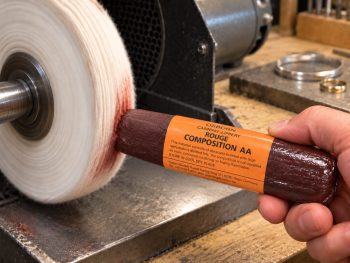
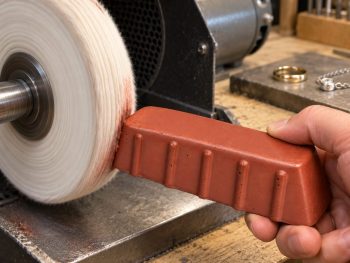
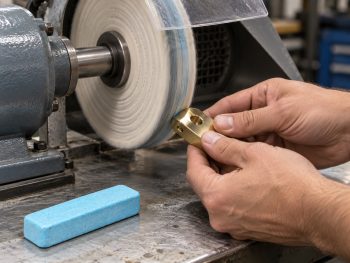
Compounds are applied with a mop, felt or buff, which controls where the abrasive works.
Browse Polishing Mops | Browse Felt Polishing Tools
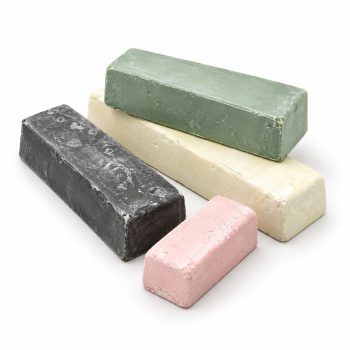
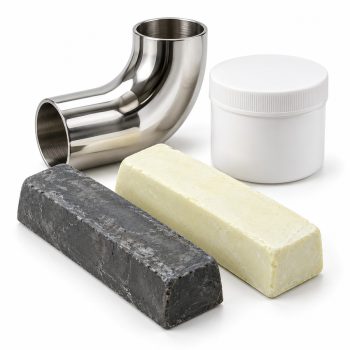


Price range: £8.89 through £16.63 incl VAT
Metal Polishing Compounds
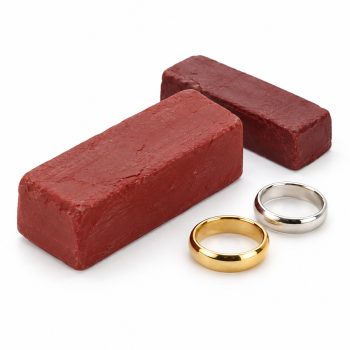
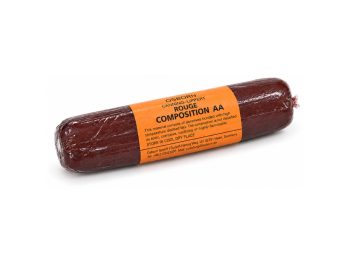
AA Rouge Polishing Compound – Dry Ultrafine Rouge for Gold and Silver (227g)
£4.15 incl VAT


Abrasives
£15.60 incl VAT


Call us to find out the current price for this product

Metal Cutting Compounds
Apollo Tripoli Polishing Compound – Brown Tripoli Cutting Bar for Non-Ferrous and Precious Metals
£5.76 incl VAT


Abrasives
Call us to find out the current price for this product
Metal Polishing Compounds
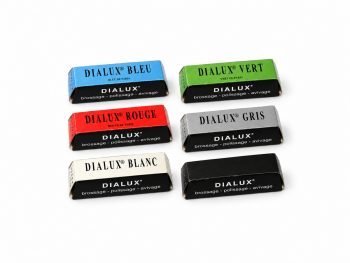
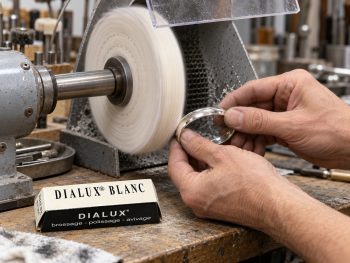
Dialux Polishing Compounds – Rouge, White, Black, Blue, Green & Grey 150g Bars
Price range: £4.45 through £6.90 incl VAT

Price range: £11.57 through £76.40 incl VAT
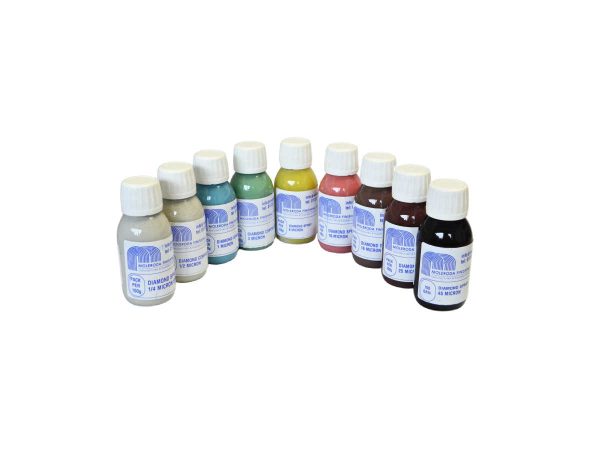
Diamond Polishing & Lapping
Diamond Suspension (Liquid Diamond Compound / Spray) – 100 grams
£14.60 incl VAT
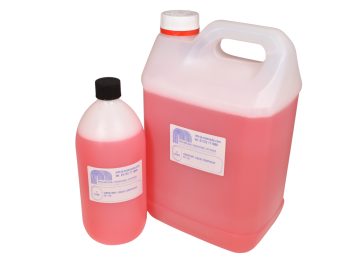

Polishing Compounds
FC115 Vibratory Liquid Compound – Heavy-Duty Corrosion Protection for Ferrous Finishing
Price range: £23.02 through £69.05 incl VAT


Polishing Compounds
Price range: £14.76 through £46.61 incl VAT

Consumables
Call us to find out the current price for this product


Finishing Chemicals, Lubricants & Cleaners
Price range: £5.18 through £43.00 incl VAT

Polishing Compounds
Keramo Grinding / Polishing Paste for vibratory finishing processes RSP 626
Call us to find out the current price for this product
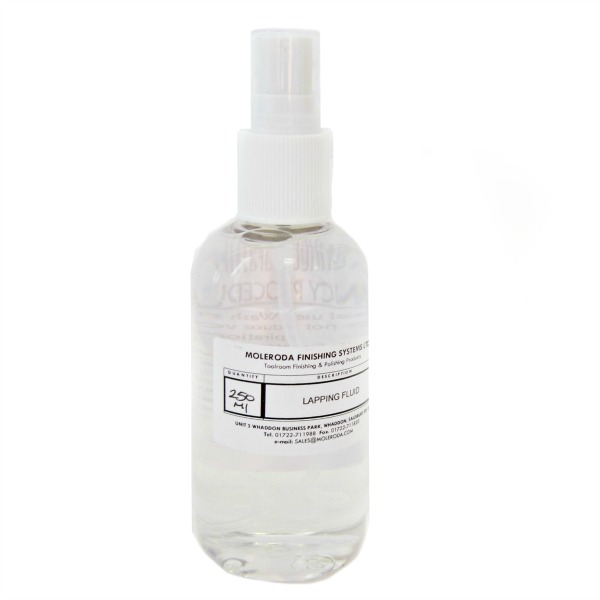
Diamond Polishing & Lapping
Price range: £6.26 through £37.21 incl VAT
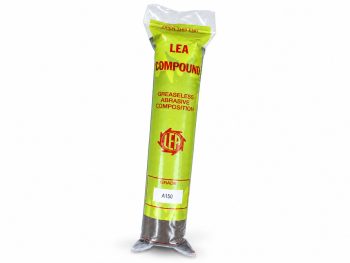
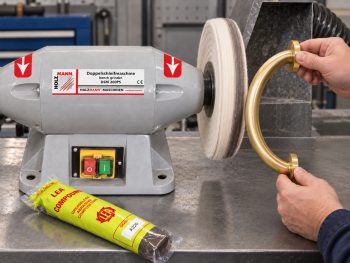
Metal Polishing Compounds
Lea Greaseless Compounds – Satin Finishing Bars in A80 to A320 Grades
Price range: £17.26 through £18.98 incl VAT

Metal Polishing Compounds
Lea Jupiter Colouring Compound (309BX / Chromax Super) – Industrial Bar
£14.93 incl VAT
Metal Polishing Compounds
Lea Mirrormax (FF9) Mirror Finishing Compound – Industrial Bar
£27.20 incl VAT
Finishing Chemicals, Lubricants & Cleaners
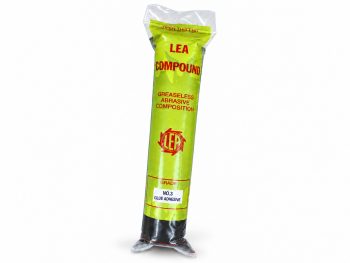
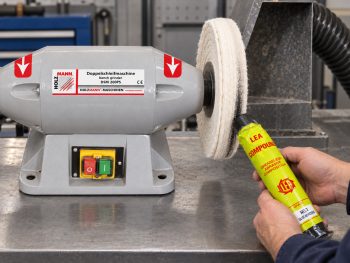
Lea No.3 Glue Adhesive – Adhesive Sizing for Lea Greaseless Compounds
£11.35 incl VAT


Magnetic Finishing
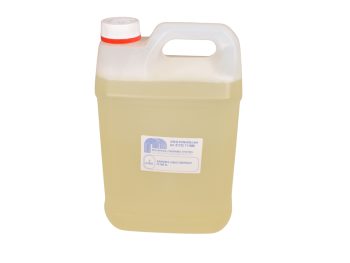
MagForce Magnetic Finishing Compound – Precision Polishing & Brightening for Magnetic Finishers
£49.26 incl VAT
Price range: £11.10 through £13.87 incl VAT


Plastics, Acrylic & Resin Polishing Compounds
Menzerna GW16 Plastic Polishing Compound – Finish Bar for Plastics, Paint and Lacquers
£16.49 incl VAT
Metal Polishing Compounds
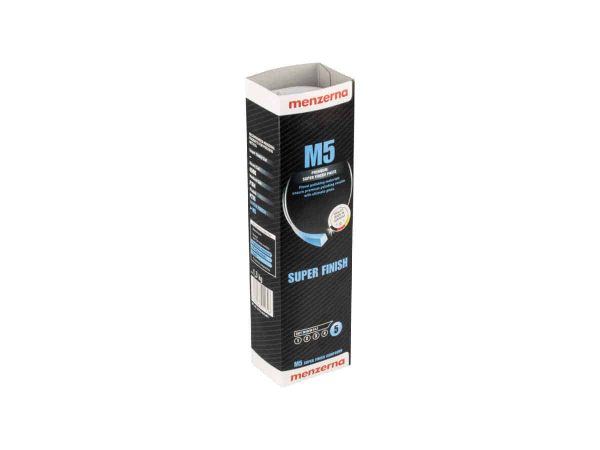
Menzerna M5 Super Finish Polishing Compound – Large and Small Bars
Price range: £21.97 through £47.58 incl VAT

Metal Polishing Compounds
Menzerna P175 Super Finish Polishing Compound – Large and Small Bars
Price range: £17.81 through £34.96 incl VAT

Micro-Mesh Liquids & Compounds
Micro-Finish polish to remove residual haze on coatings, paint or plastics
Price range: £5.28 through £16.91 incl VAT

Metal Polishing Compounds
Micro-Gloss Fine Liquid Abrasives 1 Micron or 5 Micron for plastic and metal
Price range: £8.36 through £20.10 incl VAT


Micro-Mesh Liquids & Compounds
Micro-Mesh WinBRIGHT Spray Plastic Cleaner — Removes Wax, Stains & Fingerprints
£24.42 incl VAT

Finishing Chemicals, Lubricants & Cleaners
£68.11 incl VAT

Metal Polishing Compounds
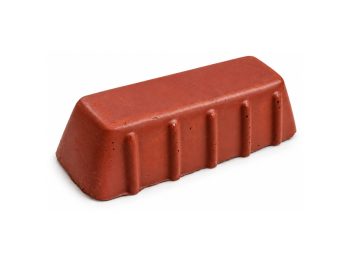
Red Admiral RS/2 Rouge Polishing Compound – Soft Finishing Rouge for Precious Metals (340g)
£8.12 incl VAT

Metal Polishing Compounds
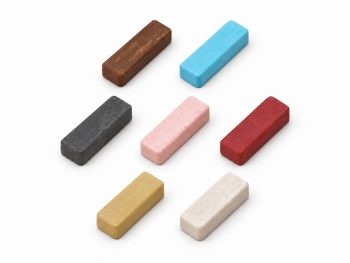
Small 4×1 Polishing Compound Bars – Lea Cutting & Finishing Bars for All Materials
£2.51 incl VAT
Finishing Chemicals, Lubricants & Cleaners
Price range: £9.05 through £68.23 incl VAT

Price range: £11.74 through £47.02 incl VAT


Abrasives
Call us to find out the current price for this product

Choosing the Right Polishing Compound
Each category focuses on one way of choosing a compound: by finishing stage, by the material being polished, or by format. Some products appear in more than one category where they genuinely suit both.
| Category | Choose It When |
|---|---|
| Metal Cutting Compounds | You need to remove scratches, level a surface or prepare metal for polishing. |
| Metal Polishing Compounds | You are working through cut-and-colour and mirror finishing on ferrous, non-ferrous or precious metals. |
| Stainless Steel Polishing Compounds | You are polishing stainless steel or other hard ferrous metals, from heavy cut to mirror finish. |
| Rouge Polishing Compounds | You are finishing gold, silver, platinum and other precious metals to a bright shine. |
| Plastics, Acrylic & Resin | You are polishing acrylic, perspex, polycarbonate, resin or other plastics. |
| Glass, Ceramic & Crystal | You are removing marks from, or polishing, glass and crystal. |
| Diamond Polishing & Lapping | You are lapping or ultra-fine polishing hardened steel, carbide, ceramics or glass. |
| Polishing Compound Bars | You want solid bars for machine polishing and buffing on a mop. |
| Polishing & Lapping Pastes | You need a paste for precision lapping, honing or ultra-fine polishing. |
| Powder Polishing Compounds | You need a loose abrasive, such as cerium oxide or pumice, or Vienna Lime for cleaning up. |
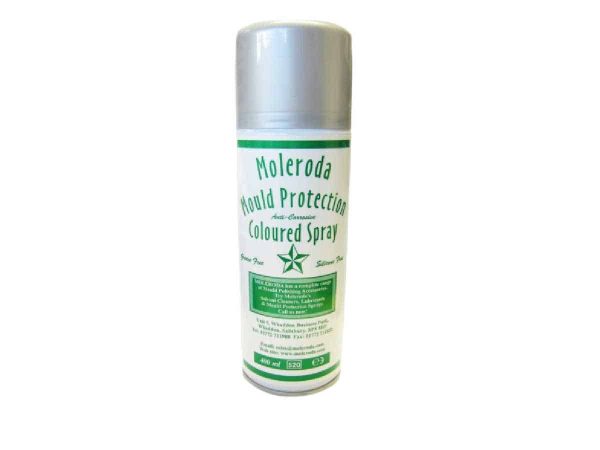
| Finishing Chemicals, Lubricants & Cleaners | You need cleaners, weld pickling paste, mould protection or other process support products. |
The Three Stages of Polishing
Most polishing works through three stages, and each stage removes the marks left by the one before.
| Stage | What It Does | Where to Start |
|---|---|---|
| Cutting | Removes scratches and levels the surface after abrasive preparation | Metal Cutting Compounds |
| Cut and colour | Refines the surface and starts to bring up a shine | Metal Polishing Compounds |
| Mirror finishing | Produces the final high-gloss finish | Menzerna P175 and M5, or Lea Mirrormax, Rouge |
Start with the least aggressive compound that removes the existing marks, clean the part between stages, and use a separate mop for each compound so coarser abrasive is not carried forward. For step-by-step advice, read How to Use Polishing Compounds.
Choosing by Material
| Material | Recommended Categories |
|---|---|
| Stainless steel and ferrous metals | Stainless Steel, Metal Cutting |
| Aluminium, brass and non-ferrous metals | Metal Polishing, plus Algalox for fine finishing on aluminium |
| Gold, silver and precious metals | Rouge Polishing Compounds |
| Hardened steel, carbide and ceramics | Diamond Polishing & Lapping |
| Plastics, acrylic and resin | Plastics, Acrylic & Resin |
| Glass and crystal | Glass, Ceramic & Crystal |
Compounds for Mass Finishing
Liquid and paste compounds for vibratory and magnetic finishing machines, including FC120, FC115, MagForce and Keramo paste, are also listed here. For the full mass finishing range, see Vibratory Finishing Compounds and Magnetic Finishing, or compare them in FC115 vs FC120 vs MagForce.
Need Help Choosing a Polishing Compound?
If you are unsure which compound is right for the job, contact Moleroda with details of the workpiece material, its current surface condition, the machine or tool you are using and the finish you need.
Frequently Asked Questions (FAQs)
What is a polishing compound?
A polishing compound is an abrasive held in a binder, supplied as a bar, paste, powder or liquid. Applied to a mop, felt or lap, it cuts and polishes the surface; the grade of abrasive determines how much it cuts and how bright a finish it leaves.
Which polishing compound should I use?
Choose by the material you are polishing and the stage you are at. Use a cutting compound to remove scratches, then a cut-and-colour or mirror compound to finish. The material table above shows where to start.
Should I choose a bar, paste or powder?
Bars suit machine polishing on a mop. Pastes give close control for lapping, honing and detailed work. Powders are mixed into a slurry, mainly for glass and crystal.
Do I need a separate mop for each compound?
Yes. Keep a dedicated mop or felt for each compound so coarser abrasive is not carried into finer stages.
Can polishing compounds be used on plastic?
Yes, with compounds made for plastics and a soft mop with light pressure. See Plastics, Acrylic & Resin.