Use firmer mops for cutting and softer mops or felts for colouring and final polishing.
Browse Polishing Mops | Browse Felt Polishing Tools


Price range: £8.89 through £16.63 incl VAT
Metal Polishing Compounds
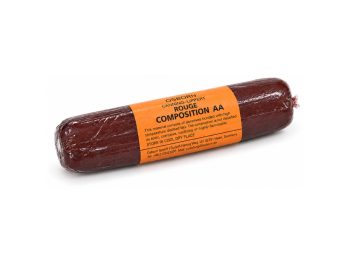
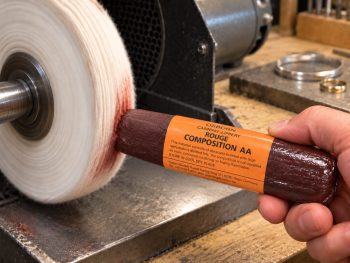
AA Rouge Polishing Compound – Dry Ultrafine Rouge for Gold and Silver (227g)
£4.15 incl VAT

Abrasives
£15.60 incl VAT

Metal Polishing Compounds
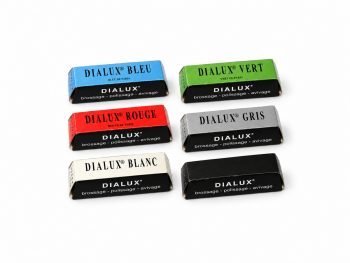
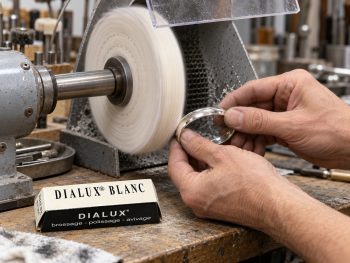
Dialux Polishing Compounds – Rouge, White, Black, Blue, Green & Grey 150g Bars
Price range: £4.45 through £6.90 incl VAT

Price range: £11.57 through £76.40 incl VAT
Diamond Polishing & Lapping
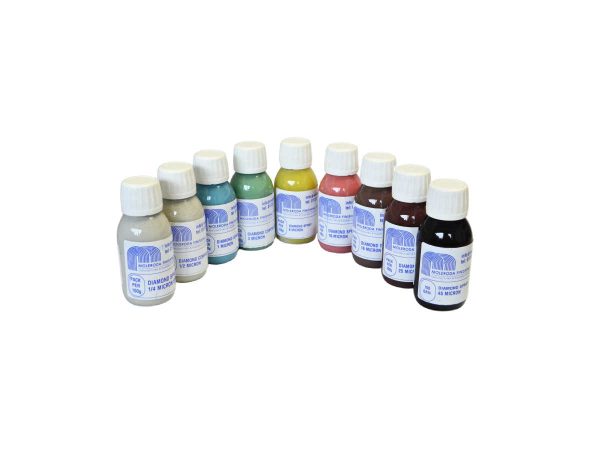
Diamond Suspension (Liquid Diamond Compound / Spray) – 100 grams
£14.60 incl VAT
Metal Polishing Compounds
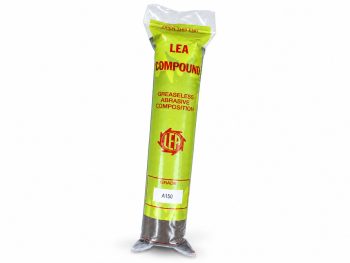
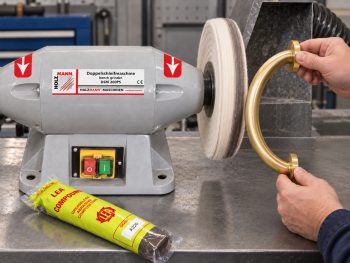
Lea Greaseless Compounds – Satin Finishing Bars in A80 to A320 Grades
Price range: £17.26 through £18.98 incl VAT

Metal Polishing Compounds
Lea Jupiter Colouring Compound (309BX / Chromax Super) – Industrial Bar
£14.93 incl VAT
Metal Polishing Compounds
Lea Mirrormax (FF9) Mirror Finishing Compound – Industrial Bar
£27.20 incl VAT

Price range: £11.10 through £13.87 incl VAT
Metal Polishing Compounds
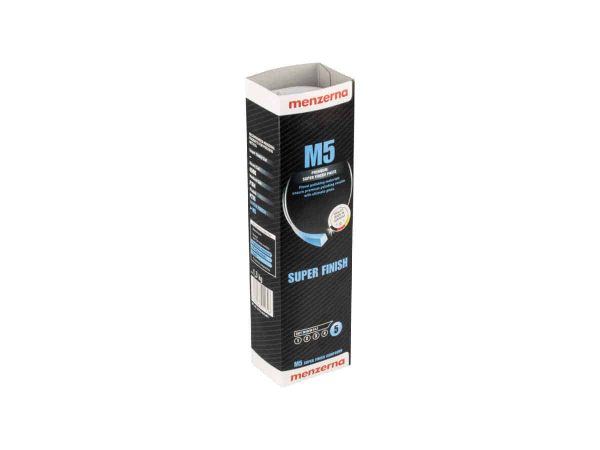
Menzerna M5 Super Finish Polishing Compound – Large and Small Bars
Price range: £21.97 through £47.58 incl VAT

Metal Polishing Compounds
Menzerna P175 Super Finish Polishing Compound – Large and Small Bars
Price range: £17.81 through £34.96 incl VAT

Metal Polishing Compounds
Micro-Gloss Fine Liquid Abrasives 1 Micron or 5 Micron for plastic and metal
Price range: £8.36 through £20.10 incl VAT
Metal Polishing Compounds
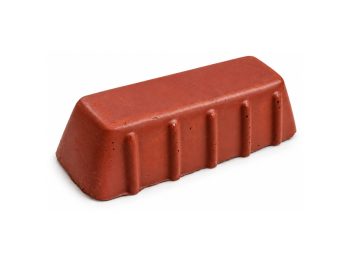
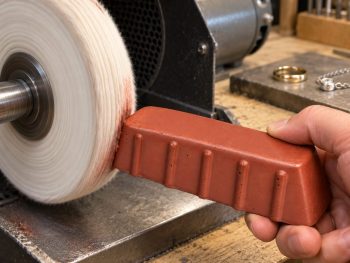
Red Admiral RS/2 Rouge Polishing Compound – Soft Finishing Rouge for Precious Metals (340g)
£8.12 incl VAT

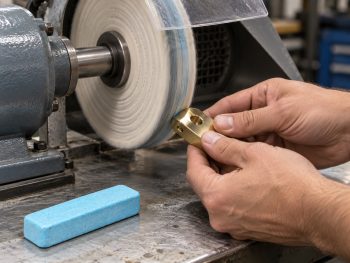
Metal Polishing Compounds
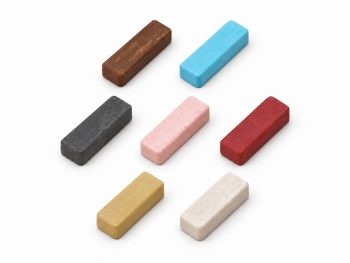
Small 4×1 Polishing Compound Bars – Lea Cutting & Finishing Bars for All Materials
£2.51 incl VAT


Abrasives
Price range: £1.84 through £5.35 incl VAT
Choosing a Metal Polishing Compound
Most metal polishing follows three stages. Each stage removes the marks left by the one before, so start with the least aggressive compound that removes the existing scratches.
| Stage | Purpose | Compounds |
|---|---|---|
| Cutting | Removes scratches and levels the surface after abrasive preparation | Apollo Tripoli for non-ferrous and precious metals, or Metal Cutting Compounds for ferrous metals |
| Cut and colour | Refines the surface and starts to bring up a shine | 2nd Stage Cut and Colour Compounds, Ultrapol 76 |
| Mirror finishing | Produces the final high-gloss finish | Menzerna P175 and M5, or Lea Mirrormax, Hyfin, Dialux |
For samples, small jobs or trying a compound before buying a full bar, choose the Small 4x1 Metal Polishing Compound Bars.
Specialist Metal Compounds
| Product | Choose It When |
|---|---|
| Medimax | You need an animal-tissue-free compound, as widely used for orthopaedic implants and surgical tools. |
| Lea Greaseless Compounds | You want a satin or brushed finish, or a clean, grease-free surface before lacquering or coating. Add Lea No.3 Glue for parts with sharp edges. |
| Rouge and Dialux | You are finishing gold, silver, platinum and other precious metals. See Rouge Polishing Compounds. |
| Algalox | You need a fine, economical paste for aluminium and other softer metals, graded from 30 to 1 micron. |
| Diamond Paste and Diamond Suspension | You are finishing hard metals such as hardened steel and carbide to an ultra-fine finish. See Diamond Polishing & Lapping. |
| Micro-Gloss | You want a water-based liquid abrasive, in 1 or 5 micron, to enhance the final finish on metal or plastic. |
Final Lustre After Lapping
Lapping produces a flat, accurate surface but often leaves it dull. Once lapping is complete and the part has been cleaned, a metal polishing paste can be used to bring up the final lustre.
Simichrome is a paste for a high lustre on chrome and other hard metals, supplied in a 125g tube. Super Chrome and Stainless Steel Polish cleans and polishes stainless steel, chrome and other metals, and is UK food safe with no animal tissue.
Remove all lapping compound first, as any residual abrasive will scratch the polished surface. For the lapping stage itself, see Polishing & Lapping Pastes.
Cleaning Up After Polishing
Remove compound residue before inspection, plating or coating. Vienna Lime is used after polishing to clean up and leave a bright finish, and Solvent Cleaner Spray removes oil, grease and polishing residue.
Keep a separate mop for each compound so coarser abrasive is not carried into the finishing stages. For step-by-step advice, read How to Use Polishing Compounds.
Need Help Choosing a Metal Polishing Compound?
If you are unsure which product is right for the job, contact Moleroda with details of the workpiece material, its current surface condition, the machine or tool you are using and the finish you need.
Frequently Asked Questions (FAQs)
Which metal polishing compound should I start with?
Start with the least aggressive compound that removes the existing marks. Heavily scratched parts need a cutting compound first; parts that are already smooth can go straight to a cut-and-colour or finishing compound.
Do I need a different mop for each compound?
Yes. Use a dedicated mop for each compound so coarser abrasive is not carried into later stages, and label mops to keep them separate.
Can these compounds be used on precious metals?
Yes. Rouge, Dialux and several finishing compounds are suited to gold, silver and platinum. See Rouge Polishing Compounds for the precious-metal range.
What is an animal-tissue-free compound?
Medimax compounds contain no animal tissue, which is why they are widely used in orthopaedic implant, surgical tool and pharmaceutical applications.