
Small square and rectangular stones should be supported in a holder matched to the stone section.
Browse File & Stone Holders

Abrasive Hand Tools
Price range: £16.39 through £71.00 incl VAT
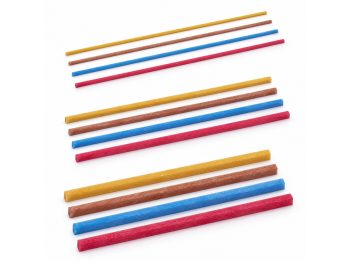
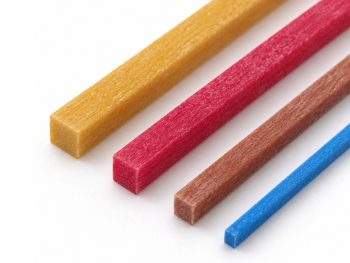
Abrasive Hand Tools
Price range: £12.90 through £15.47 incl VAT
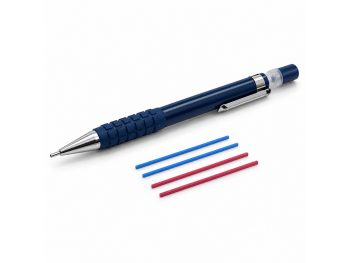
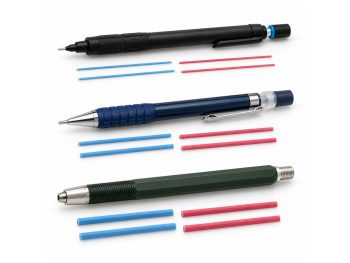
Abrasive Hand Tools
Price range: £54.18 through £76.97 incl VAT

Abrasive Hand Tools
£8.77 incl VAT

Abrasive Stones
Call us to find out the current price for this product


Abrasive Hand Tools
Price range: £13.06 through £115.18 incl VAT


Abrasive Hand Tools
Price range: £15.76 through £41.04 incl VAT
Abrasive Points & Burrs
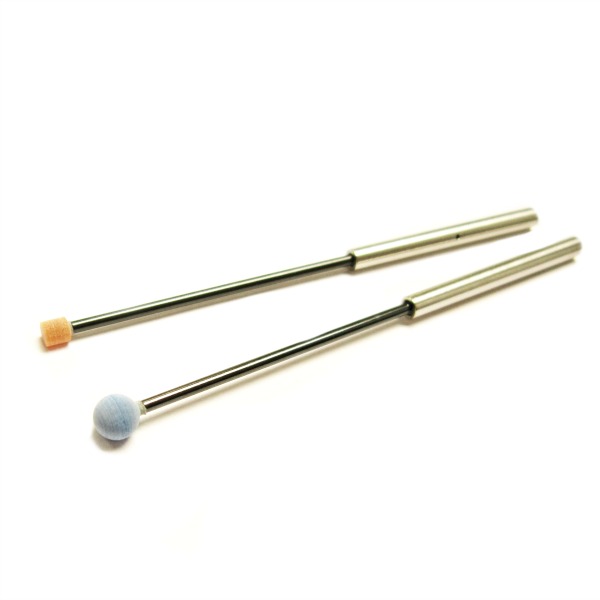
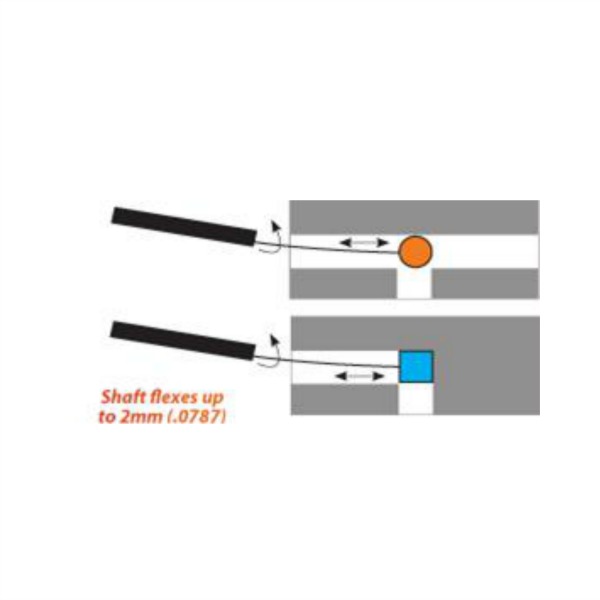
XEBEC Stone Flexible Shaft – Extended Cross-Hole Deburring Tools
Price range: £23.74 through £61.67 incl VAT
Choosing the Right Ceramic Polishing Stone
Start with the feature you need to reach and how you intend to work: by hand, in a reciprocating or ultrasonic tool, or in a rotary tool. Then choose the format whose section, working faces and holder suit that method.
Ceramic-fibre stones are also described as ceramic polishing files or ultra-fine ceramics. Their construction determines which faces cut, so the working method differs between formats.
| Product Range | Choose It When | Format and Use |
|---|---|---|
| XEBEC Ceramic Stones | You need flat sticks for slots, ribs, edges and detailed mould features. | Rectangular sections in grades from 120 to 1200; hand use or approved reciprocating and ultrasonic tools. |
| Ultra-Fine Ceramic Stones | You need finer-grade refinement on narrow features. | 1 x 1 x 100mm square stones in 1500, 2000 and 3000 grades; hand use with the CH1 holder. |
| Mini Ceramic Polishing Stones | You need to reach minute details, recesses and engraved features. | 0.5mm, 0.9mm or 1.4mm square, 50mm long, in 180 to 1200 grit; sold individually for use in a matching mini holder. |
| Mini Ceramic Super Stone Sets | You want to get started with mini stones in one size. | A matching holder with two 800 grit and two 1200 grit stones. |
| XEBEC Round Ceramic Stones | You need rounded features and detail accessible to a rotary tool. | Round rods in four diameters and grades from 220 to 1200; prepare and mount to the manufacturer's rotary instructions. |
| Diamond Ceramic Stones | You need the cutting action of diamond, including side contact. | Diamond dispersed through the stone in D200, D400 and D600 grades. |
| XEBEC Stone Flexible Shaft | You need to deburr cross holes, blind holes and intersecting bores. | Ceramic fibre stone heads on flexible shafts for controlled rotary use; observe the tool's load and speed limits. |
| XEBEC Brush Crosshole | You need a brush for burrs at cross-hole intersections. | Ceramic fibre brushes for aluminium and softer metals or harder metals; supplied to order, price on request. |
For format-by-format technique, read the guide to ceramic polishing stone grades, selection and use.
Match the Stone to Your Working Method
Hand Finishing
Rectangular, 1 x 1mm and mini square stones are supported in a hand holder matched to the stone section. Keep projection short and use light, controlled pressure at the working tip.
Reciprocating & Ultrasonic
Approved rectangular stick types can be used in electric or pneumatic reciprocating tools. For ultrasonic work, confirm the stone type and machine compatibility before selecting power settings.
Rotary Tools
Round ceramic rods and internal-deburring tools run in a collet matched to the actual shank or rod diameter. Follow the preparation, length and speed limits for the selected product.
Shape alone does not confirm powered-tool suitability.
Check the product page and manufacturer instructions for the selected stone before use in any machine.
Choose the Grade and Understand Colour Codes
Within a stone range, lower grade numbers give a coarser cutting action and higher numbers give finer refinement. Start with the finest grade that removes the existing defect efficiently, then progress through finer grades once the previous scratch pattern has been removed.
Colour alone does not identify the grade.
Colour codes are specific to each range. For example, Yellow is 180 grit in the mini stones but 1500 grit in the 1 x 1mm ultra-fine stones.
Diamond grade codes and ceramic-fibre grades are not interchangeable, and a grade number does not guarantee a particular surface finish. If a mirror finish is required, plan a final lapping or polishing stage after the ceramic stone.
Related Stones and Internal Deburring
For conventional bonded abrasive stones used in mould and die polishing, browse Mould & Die Stones, or compare both approaches in our guide to ceramic files vs polishing stones for mould tool finishing.
Flexible-shaft stone heads and cross-hole brushes have their own sizing, contact and rotation requirements. Use our guide to deburring internal holes to compare these systems before selecting a tool.
Need Help Choosing a Ceramic Stone?
If you are unsure which format, grade or holder is suitable, contact Moleroda with details of the workpiece material, feature dimensions, starting surface condition, required finish and available equipment.
Frequently Asked Questions (FAQs)
Which ceramic polishing stone should I choose?
Choose rectangular XEBEC Ceramic Stones for slots, ribs and edges; 1 x 1mm ultra-fine or mini square stones for very narrow or minute details by hand; round ceramic stones for rotary tools; or diamond ceramic stones where a diamond cutting action is required.
Which part of the stone does the cutting?
It depends on the construction. Standard XEBEC flat sticks and pencil stones cut at the tip, so present the tip at approximately 45 degrees. XEBEC round rods and diamond ceramic stones cut at both the tip and sides.
Do I need a holder?
Hand stones should be supported in a holder matched to the stone section. The 1 x 1mm ultra-fine stones use the CH1 holder, mini stones use a matching mini holder, and rectangular stones use a hand holder sized to their width and thickness.
Do colour codes mean the same grade across every range?
No. Colour codes are specific to each range, so always select by the grade number shown for the product. For example, Yellow is 180 grit in the mini stones but 1500 grit in the 1 x 1mm ultra-fine stones.
Can ceramic stones be used in ultrasonic or reciprocating tools?
Approved rectangular stick types can be used in reciprocating tools, and XEBEC recommends its Heat-Resistant range for ultrasonic work. Mini and 1 x 1mm square stones are intended for hand finishing. Confirm the stone type and machine compatibility first.