
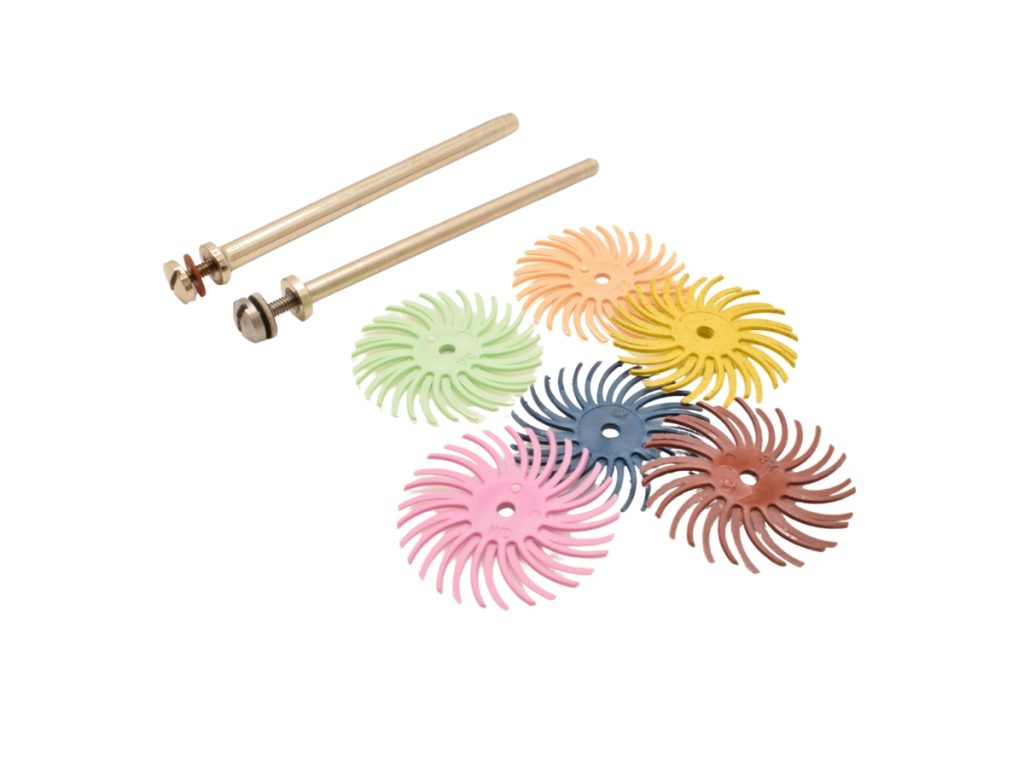
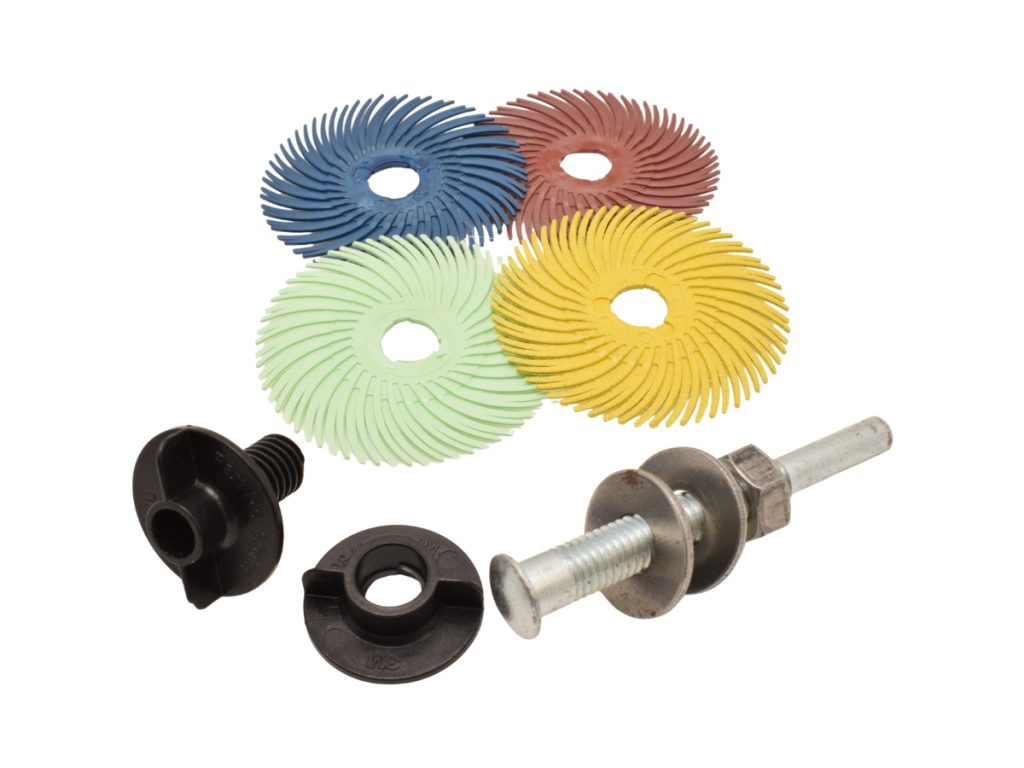
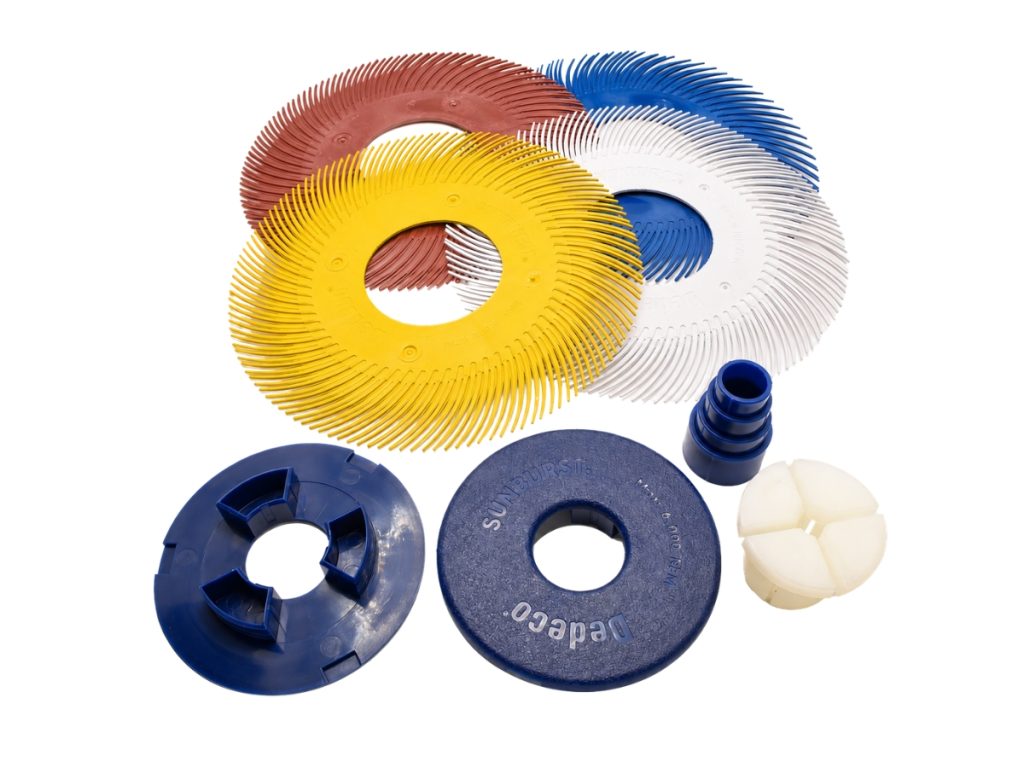


Need a mounting system?
Browse our mandrels for radial discs, including options for loose discs and quick-change systems.


£2.46 incl VAT
Dedeco Sunburst Radial Discs
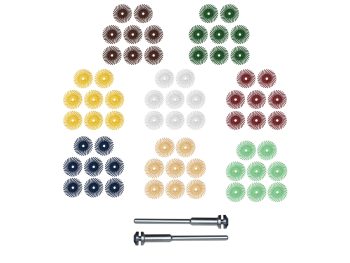
1″ (25mm) Dedeco Sunburst TC Standard-Profile Radial Disc Assortment – 66-Piece Kit
£175.12 incl VAT

Abrasives for Power Tools
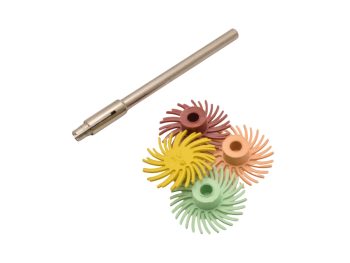
1/2″ (12.7mm) Dedeco Sunburst TC Snap-On Radial Bristle Discs – Quick-Change Detail System
£1.86 incl VAT
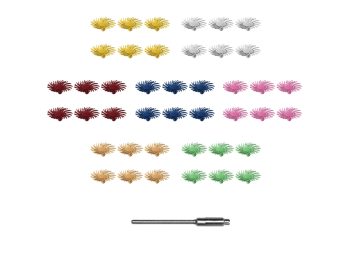
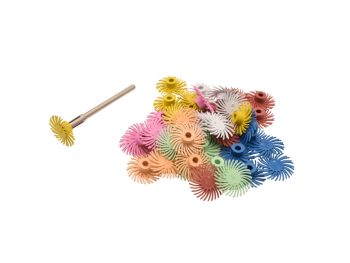
Dedeco Sunburst Radial Discs
1/2″ (12.7mm) Dedeco Sunburst TC Snap-On Radial Disc Assortment – 43-Piece Kit
£82.90 incl VAT

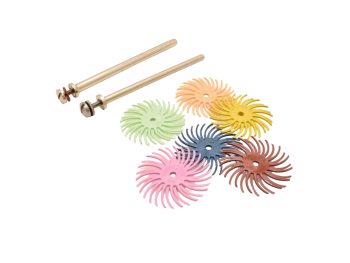
3M Scotch-Brite Radial Bristle Discs
£1.26 incl VAT
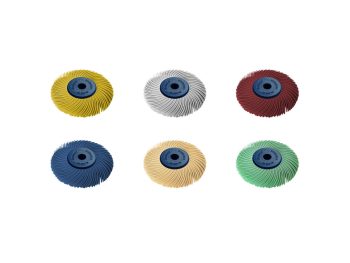
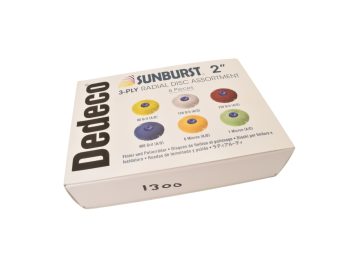
Dedeco Sunburst Radial Discs
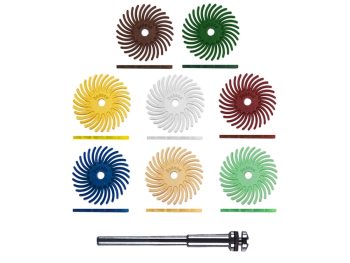
2″ (50mm) Dedeco Sunburst TC 3-Ply Radial Disc Assortment – 6-Wheel Kit
£62.64 incl VAT

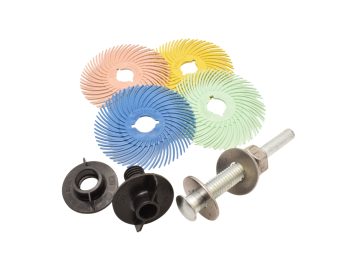
Dedeco Sunburst Radial Discs
2″ (50mm) Dedeco Sunburst TC Radial Bristle Discs – Standard
£4.60 incl VAT

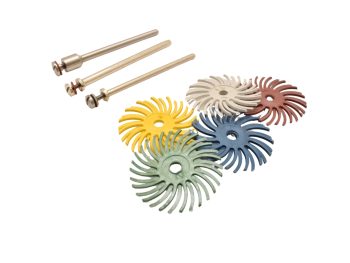
3M Scotch-Brite Radial Bristle Discs
£1.58 incl VAT
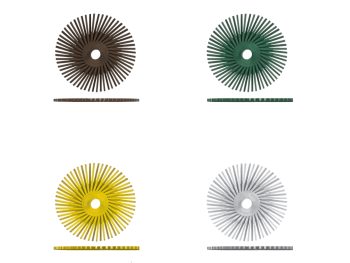
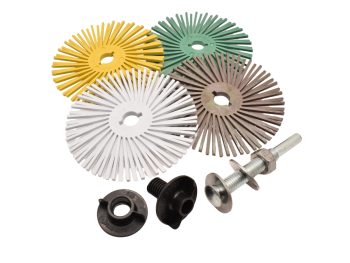
£6.06 incl VAT
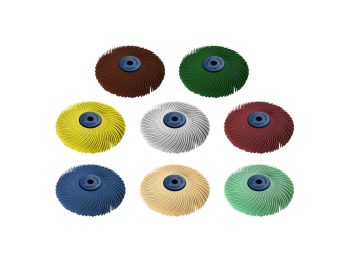
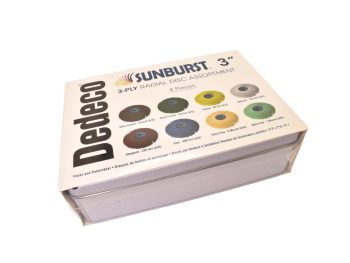
Price range: £89.66 through £189.88 incl VAT
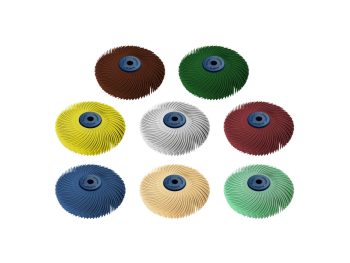
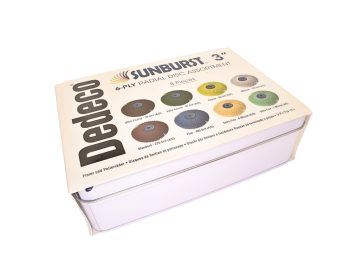
Dedeco Sunburst Radial Discs
3″ (75mm) Dedeco Sunburst TC 6-Ply Radial Disc Assortment – 8-Wheel Kit
£300.52 incl VAT
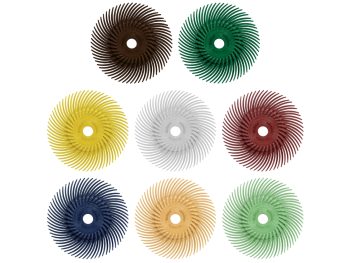
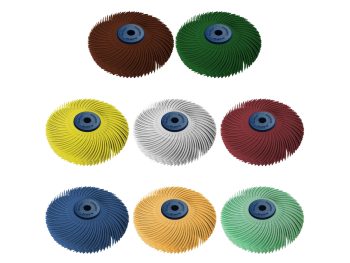
Dedeco Sunburst Radial Discs
3″ (75mm) Dedeco Sunburst TC Radial Discs – Loose Discs & 6-Ply Wheel Assemblies
Price range: £6.00 through £42.34 incl VAT

Abrasives for Power Tools
5/8″ (16mm) Dedeco Sunburst TC Radial Bristle Discs – Precision Standard
£1.92 incl VAT
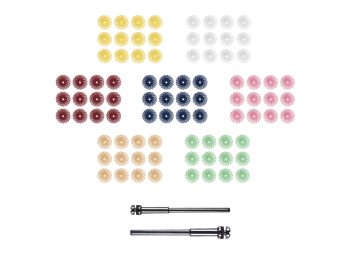
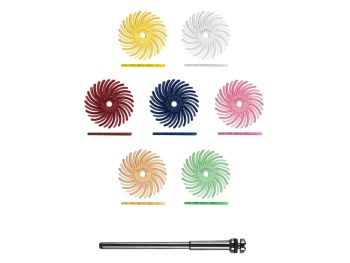
Dedeco Sunburst Radial Discs
5/8″ (16mm) Dedeco Sunburst TC Standard-Profile Radial Disc Assortment – 86-Piece Kit
£160.36 incl VAT
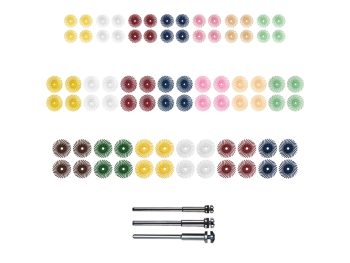
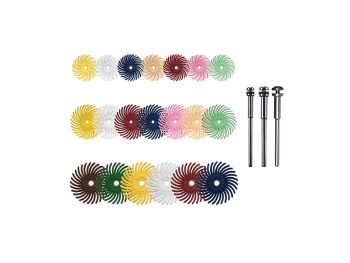
Dedeco Sunburst Radial Discs
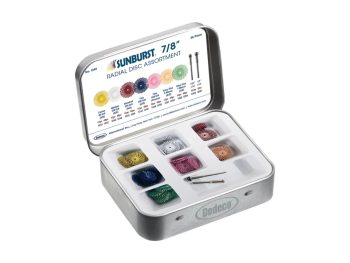
5/8″, 7/8″ & 1″ Dedeco Sunburst TC Standard-Profile Radial Disc Assortment – 83-Piece Kit
£160.36 incl VAT
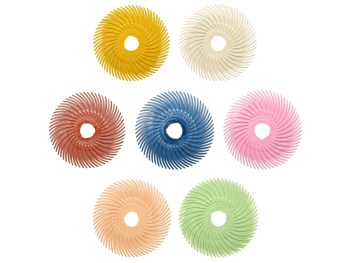
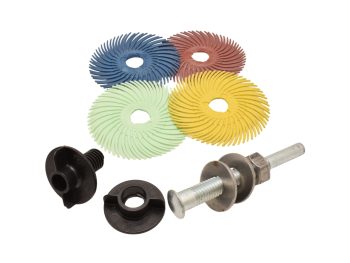
3M Scotch-Brite Radial Bristle Discs
50mm (2″) 3M Scotch-Brite Radial Bristle Discs (Habras) – Standard Type C
Price range: £4.48 through £4.74 incl VAT
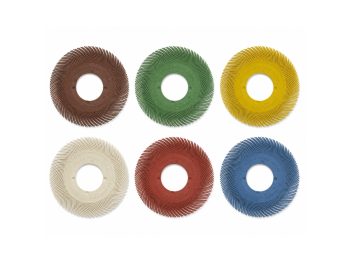
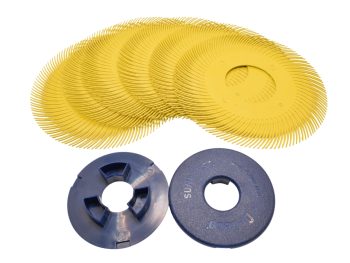
3M Scotch-Brite Radial Bristle Discs
6″ (150mm) 3M Scotch-Brite Type C Radial Bristle Discs (Habras) – Loose Discs
£7.72 incl VAT
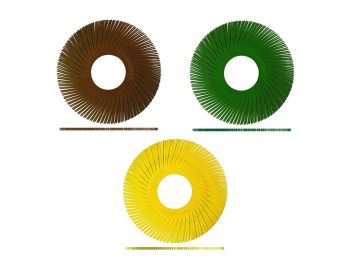
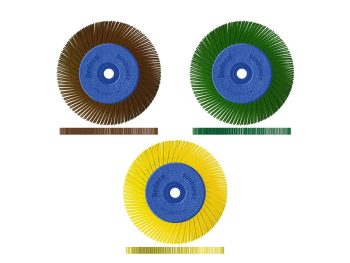
Dedeco Sunburst Radial Discs
6″ (150mm) Dedeco Sunburst TA Radial Discs – Loose Discs & 8-Lap Wheel Assemblies
Price range: £12.00 through £106.86 incl VAT
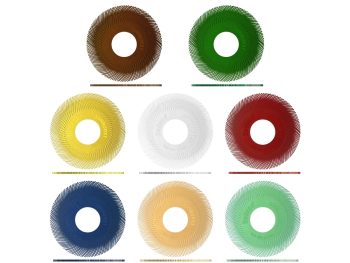
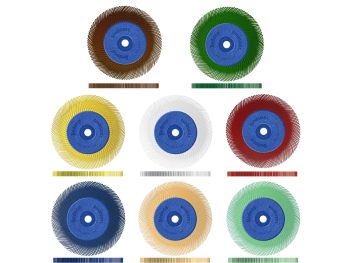
Price range: £12.00 through £106.86 incl VAT

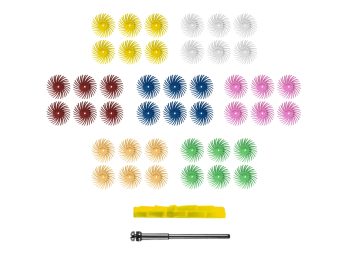
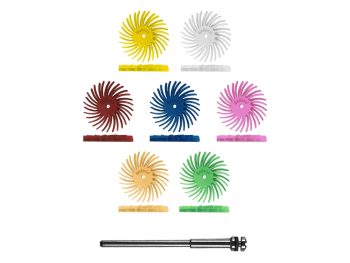
Dedeco Sunburst Radial Discs
7/8″ (22mm) Dedeco Sunburst TC Dual Radial Disc Assortment – 43-Piece Kit
£125.32 incl VAT
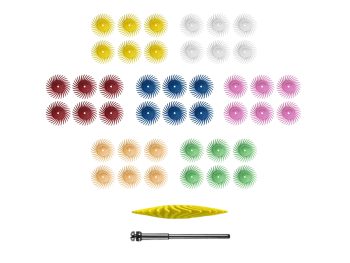
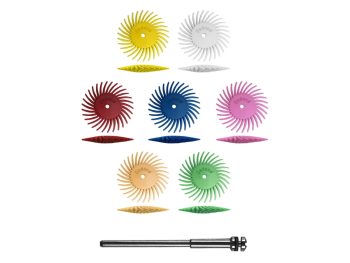
Dedeco Sunburst Radial Discs
7/8″ (22mm) Dedeco Sunburst TC Knife-Edge Radial Disc Assortment – 43-Piece Kit
£125.32 incl VAT
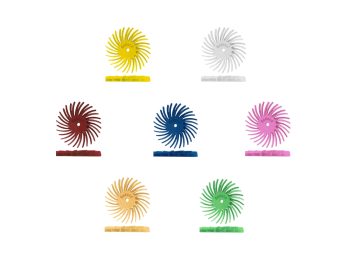
Abrasives for Power Tools
£2.70 incl VAT
Abrasive Wheels
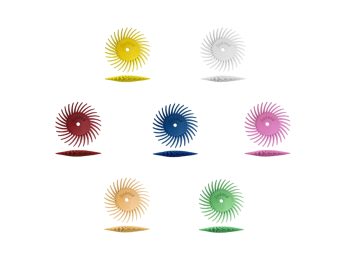
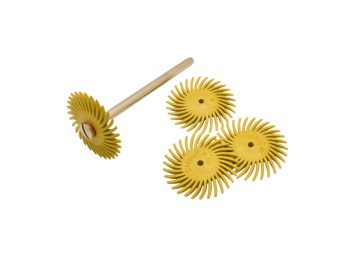
7/8″ (22mm) Dedeco Sunburst TC Radial Bristle Discs – Knife-Edge
£2.70 incl VAT
Dedeco Sunburst Radial Discs
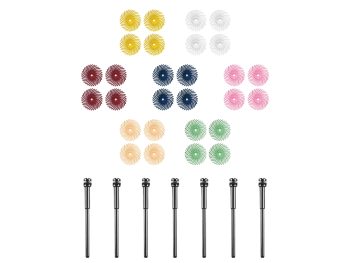
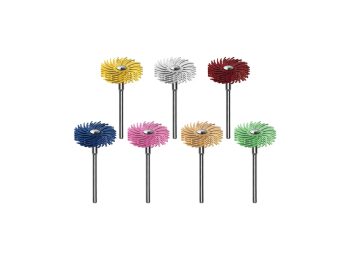
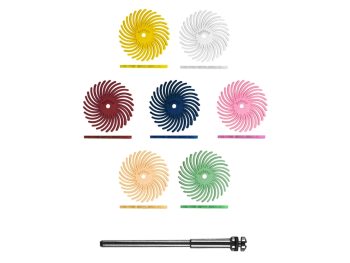
7/8″ (22mm) Dedeco Sunburst TC Standard-Profile 4-Ply Radial Disc Assortment – 7-Wheel Kit
£110.56 incl VAT
Dedeco Sunburst Radial Discs
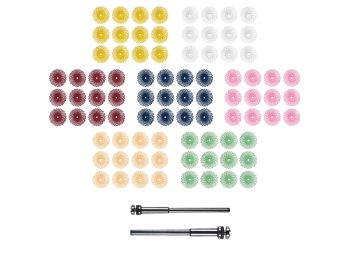
7/8″ (22mm) Dedeco Sunburst TC Standard-Profile Radial Disc Assortment – 86-Piece Kit
£160.36 incl VAT

Abrasives for Power Tools
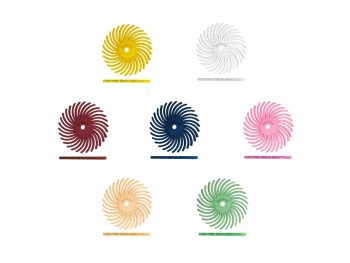
7/8″ (22mm) Dedeco Sunburst TC Standard-Profile Radial Discs – Loose Discs & 4-Ply Sets with Mandrel
Price range: £1.92 through £11.11 incl VAT
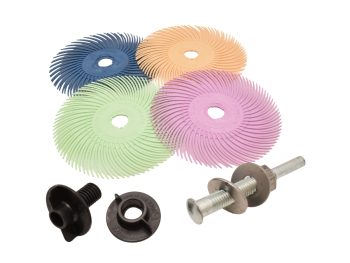
3M Scotch-Brite Radial Bristle Discs
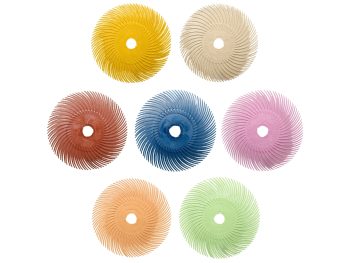
75mm (3″) 3M Scotch-Brite Radial Bristle Discs (Habras) – Standard Type C
Price range: £5.20 through £5.36 incl VAT


Abrasive Wheels
Price range: £5.56 through £23.04 incl VAT
What Are Radial Bristle Discs?
Radial bristle discs are rotary finishing tools formed from flexible polymer bristles containing abrasive grain. Rather than applying abrasive to the surface of a conventional wheel, the abrasive is distributed through the bristle structure. As the bristles wear, additional abrasive is progressively exposed.
The individual bristles flex as they contact the workpiece. This enables the tool to follow curved, irregular and detailed surfaces while maintaining controlled contact around edges and recessed features. The result depends on the abrasive grade, bristle construction, wheel size, operating speed, pressure and workpiece material.
Radial bristle discs contain no wire filaments, removing the particular problem of loose wire being ejected from a conventional wire brush. They remain powered abrasive tools, however, and must be mounted, operated and guarded correctly.
What Are Radial Bristle Discs Used For?
Depending on the selected product and abrasive grade, radial bristle discs can be used for:
- Removing light burrs and feather edges
- Cleaning rust, oxidation, tarnish and fire scale
- Removing suitable paints, coatings, adhesives and surface contamination
- Blending machining marks and minor surface defects
- Refining cast, textured and irregular components
- Producing consistent matt, satin and finely polished finishes
- Preparing a surface for a subsequent finishing or polishing stage
- Finishing jewellery, dental components, precision parts and small fabrications
They are principally finishing and light-deburring tools. Deep damage, substantial weld removal and heavy stock removal will normally require a more aggressive grinding or abrasive process first.
Choosing the Right Disc Size
Small Radial Discs: 12.5–25mm
Small discs provide the greatest control and access. They are generally used for jewellery, dental work, watchmaking, restoration, fine engineering and detailed components. Depending on the format, they may be mounted individually, stacked to create a wider working face or fitted using a dedicated quick-change mandrel.
Choose a small disc when access to grooves, profiles, settings, threads or other restricted features is more important than covering a large surface quickly.
Medium Radial Discs: 50–75mm
Medium discs offer a practical balance between access and coverage. They are suitable for general component finishing, larger jewellery work, fabrication, precision engineering and workshop surface preparation when used with an appropriate mandrel and controllable rotary tool.
The range includes loose discs, multi-ply assemblies and quick-change formats. Tool compatibility must be confirmed from the mounting arrangement, required operating speed and maximum permitted speed of the exact disc.
Large Radial Wheels: 150mm
Large radial wheels are intended for broader components and more repeatable workshop or production finishing. They are primarily used on compatible bench polishers and polishing lathes, where the larger diameter and working width provide greater coverage.
Options include loose replacement leaves and complete assemblies mounted on a hub or flange. Check the bore, hub, flange arrangement, machine spindle and permitted operating speed before use.
Options include loose replacement leaves and complete assemblies mounted on a hub or flange. Check the bore, hub, flange arrangement, machine spindle and permitted operating speed before use.
Choosing Between 3M and Dedeco
3M Scotch-Brite™ Radial Bristle Discs
3M Scotch-Brite radial bristle discs use moulded, flexible bristles containing 3M ceramic abrasive grain. In the UK jewellery and polishing trades, smaller Scotch-Brite radial discs are also commonly referred to as Habras discs.
The 3M range is suited to users seeking an established, colour-coded finishing system for repeatable cleaning, deburring and surface refinement. Available grades and constructions vary between disc sizes, so selection should be based on the specification of the individual product rather than colour alone.
Dedeco Sunburst® Radial Discs
Dedeco Sunburst discs use a thermoplastic-bonded abrasive construction and are available in a particularly broad selection of sizes, bristle geometries and mounting formats. These include curved TC bristles, tapered-angle TA constructions, standard loose discs, Knife-Edge and Dual profiles, Snap-On discs, E-Z Loc products and larger assembled wheels.
This range provides options for precision access, conformable finishing and broader workshop applications. Refer to the individual product description for the intended contact area, bristle construction and mounting requirements.
Important:
Colour and grade systems should not be assumed to be directly interchangeable between 3M and Dedeco.
Always verify the stated abrasive grade and intended use.
Selecting an Abrasive Grade
Select the least aggressive grade capable of removing the defect or producing the required surface change. This helps retain control and reduces unnecessary alteration of the workpiece.
- Coarse grades are used for more pronounced oxidation, coatings, surface deposits and heavier burrs where the product is specified for the application.
- Medium grades suit general cleaning, light deburring, blending and the refinement of marks left by an earlier abrasive stage.
- Fine grades are used to smooth and improve an existing finish or prepare the surface for polishing.
- Ultra-fine and micron grades are intended for fine surface refinement and high-finish applications on suitable materials.
A heavily marked surface may require a progressive sequence from coarse to fine. Minor haze, tarnish or fine marking may only require one of the finer stages. Not every grade is available in every diameter or construction.
Disc Formats and Mounting
The correct radial disc must be matched to both the application and its mounting system:
- Loose centre-hole discs can usually be stacked on a compatible screw-top or clamping mandrel to create the required working width.
- Multi-ply assemblies provide a prepared working face and reduce the need to assemble individual leaves.
- Snap-On discs require the corresponding Snap-On mandrel and are designed for rapid changes between grades.
- E-Z Loc discs and brushes require the compatible quick-change holder specified for the product.
- Large replacement leaves must be assembled on a suitable hub or flange using an approved number of layers and the correct bore arrangement.
Before ordering, check the disc diameter, centre hole or connection type, mandrel specification, shank diameter, machine collet or spindle and required working width. View the available mandrels for radial discs.
Using Radial Bristle Discs Effectively
- Start with the finest grade likely to achieve the required result.
- Test the selected grade on an inconspicuous area or sample component.
- Use light, controlled pressure and allow the bristle tips to perform the work.
- Do not force the wheel deeply into the surface in an attempt to increase cutting action.
- Observe any directional arrows or bristle orientation specified for the product.
- Work progressively through the required grades rather than making unnecessarily large jumps.
- Keep different grades separate and clean the workpiece between finishing stages.
- Allow the workpiece to cool if heat begins to build, particularly on thin, coated or heat-sensitive materials.
Many operations can be completed without applying a separate polishing compound to the radial disc. If a subsequent compound-polishing stage is needed, clean the workpiece and use a separate, appropriate polishing carrier.
Operating Speed and Safety
There is no single operating speed suitable for every radial bristle disc. Recommended and maximum speeds vary considerably according to diameter, construction, number of layers and mounting system.
Always follow the speed information stated for the exact product. The no-load speed of the machine must remain within the permitted range and must never exceed the product’s maximum RPM. Where a drill, die grinder, straight grinder or variable-speed angle grinder is being considered, both the mounting arrangement and available speed control must be suitable.
- Inspect discs, mandrels, hubs and flanges before use.
- Ensure the wheel is mounted securely and runs true.
- Use suitable machine guarding wherever required.
- Wear appropriate eye and face protection.
- Assess respiratory protection and extraction requirements for the workpiece, coating and debris being removed.
- Secure the workpiece and keep hands clear of the rotating tool.
- Do not use damaged, incorrectly assembled or unidentified discs.
Need Help Selecting A Radial Bristle System?
If you are unsure which diameter, grade, bristle construction or mandrel is suitable, contact Moleroda with details of the material, component, existing surface condition, required finish and available machine.
Frequently Asked Questions (FAQs)
Do radial bristle discs require polishing compound?
Radial bristle discs contain their own abrasive and are normally used without applying compound to the disc. A separate compound-polishing stage may still be used afterwards where the required final finish or material demands it.
Are radial bristle discs the same as wire brushes?
No. Radial bristle discs use flexible polymer bristles containing abrasive, whereas a wire brush uses metal filaments. Radial discs provide an abrasive finishing action and do not present the specific problem of loose wire filaments, but normal powered-tool precautions are still required.
Can radial discs be used on a drill, micromotor or die grinder?
Only where the disc, mandrel, shank or connection and operating-speed range are compatible with the machine. Tool type alone does not establish compatibility.
Can small radial discs be stacked?
Many loose radial discs are intended to be stacked to create a wider working face. The appropriate number of layers depends on the disc, mandrel capacity, required flexibility and application. Snap-On, E-Z Loc and prepared multi-ply products use their own specified configurations.
Will radial bristle discs mark the underlying surface?
Radial bristle discs are abrasive tools and can change or mark a surface. Results depend on the material, grade, speed, pressure and contact time. Start with a fine grade and test first when working on soft metals, plated parts, coatings, plastics or valuable components.