

Diamond Polishing Compound for Precision Finishing
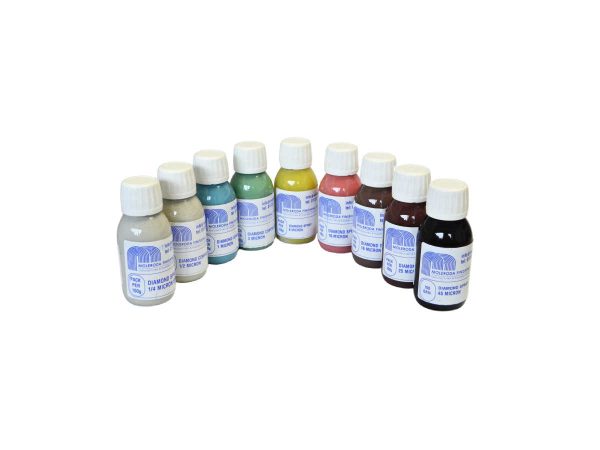
Diamond polishing compound, also known as diamond paste or diamond lapping compound, is used in precision finishing processes where conventional abrasives are not effective.
The paste contains microscopic diamond particles suspended in a lubricant carrier. When applied to a polishing tool or lap, these diamond particles remove microscopic amounts of material, gradually reducing surface roughness and producing a highly refined finish.
Because diamond is the hardest known material, diamond compounds are ideal for polishing extremely hard surfaces including:
-
Hardened tool steels
-
Carbide tooling
-
Injection mould cavities
-
Precision dies
-
Ceramics and technical materials
Diamond paste is widely used in mould tool and die polishing, where achieving extremely smooth surfaces is essential for part release, surface finish and mould performance.
Learn about the Fundamentals of Mould Tool Polishing in our professional mould tool polishing guide
Key Benefits
-
High-precision polishing for extremely hard materials
-
Micron-graded diamond particles for consistent cutting action
-
Effective for both lapping and final mirror finishing
-
Provides excellent control for manual polishing applications
-
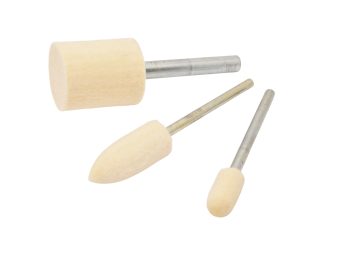
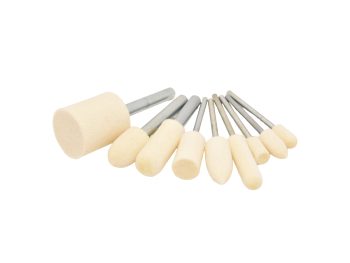
Suitable for use with felt bobs, wooden laps and lapping plates
Diamond compounds are widely used where a defect-free surface finish and tight tolerances are required.
Typical Applications
Diamond polishing compounds are used in many precision finishing processes, including:
-
Mould and die polishing
-
Carbide and ceramic finishing
-
Metallographic sample preparation
-
Optical component polishing
-
Blade sharpening and edge finishing
-
Precision engineering components
Diamond paste is particularly effective when polishing materials that are too hard for conventional polishing compounds.
Consider Algalox aluminium polishing paste when polishing softer metals such as aluminium.
When Should You Use Diamond Paste?
Diamond paste is recommended when:
-
polishing extremely hard materials
-
producing mirror finishes
-
working on mould tools or carbide dies
-
preparing metallographic samples
-
sharpening tools or precision edges
Diamond abrasives provide greater cutting efficiency and surface quality than most conventional polishing compounds.
We also offer Diamond Compound Spray (Liquid) – ideal for covering large, flat surfaces quickly, such as lapidary plates or large strops.
Diamond Paste vs Diamond Suspension
Both diamond paste and diamond suspension contain micron-graded diamond abrasives used for precision polishing. The key difference is the carrier medium and method of application. Diamond paste uses a thicker oil- or wax-based carrier, while diamond suspensions disperse diamond particles in a liquid carrier for spraying or dosing.
| Feature | Diamond Paste | Diamond Suspension |
|---|---|---|
| Consistency | Thick paste | Liquid suspension |
| Application | Manual polishing and detail work | Machine polishing and flat lapping |
| Control | Excellent for controlled polishing in mould cavities | Better for covering large surfaces evenly |
| Lubrication | Often used with lapping fluid | Built-in lubrication from liquid carrier |
| Typical Tools | Felt bobs, wooden laps, felt sticks | Lapping plates, polishing cloths, automated systems |
| Typical Use | Mould polishing, tool & die finishing | Metallography, automated polishing |
Why Many Toolmakers Prefer Diamond Paste
Diamond paste is widely used for manual mould polishing because the thicker carrier keeps the abrasive where it is applied, allowing precise control when polishing channels, cavities and edges.
How to Use Diamond Paste
-
Apply a small amount of diamond compound to the polishing tool or lap.
-
Apply lapping fluid or extender lubricant if required.
-
Begin polishing using a felt bob, wooden lap or polishing cloth.
-
Work progressively through finer micron grades to achieve the desired finish.
Using progressively finer diamond abrasives helps remove scratches and produces a smoother final surface.
Medium vs High Concentration Diamond Compound
The main difference between medium and high concentration diamond compound is the density of diamond particles suspended in the paste, which influences cutting speed, finish and cost.
Medium Concentration Diamond Compound
Diamond Content: typically 30–50%
Best suited for:
-
General-purpose polishing
-
Light material removal
-
Precision finishing work
-
Mold and die polishing
Performance characteristics:
-
Balanced cutting speed
-
Excellent surface control
-
Consistent, uniform finish
Medium concentration is typically the most widely used grade in mould polishing workshops.
High Concentration Diamond Compound
Diamond Content: typically 60–90%
Best suited for:
-
Fast material removal
-
Heavy-duty industrial polishing
-
Very hard materials
-
Large-scale professional applications
Performance characteristics:
-
Faster cutting action
-
Faster mirror finishing
-
Greater durability
-
Improved heat management
High concentration paste contains more cutting edges, which allows it to polish harder surfaces more efficiently.
Key Differences at a Glance
| Feature | Medium Concentration | High Concentration |
|---|---|---|
| Cutting Speed | Moderate | Faster |
| Control | Excellent for precision work | More aggressive |
| Cost | More economical | Higher due to diamond content |
| Best Use | General polishing | Heavy-duty polishing |
| Heat Management | Standard | Better in heavy applications |
Choosing the Right Micron Size
Diamond polishing compounds are graded by micron size, which indicates the size of the diamond abrasive particles.
Typical polishing progression:
| Micron Size | Typical Use |
|---|---|
| 20 – 40 micron | Rapid material removal |
| 6 – 14 micron | Pre-polishing |
| 1 – 3 micron | Fine polishing |
| 0.25 – 1 micron | Mirror finishing |
For hardened steels above 53 HRC, polycrystalline diamond compounds are commonly used because they provide controlled cutting while maintaining surface integrity.
Typical polishing progression may include:
-
25–45 micron – surface preparation / stock removal
-
16–10 micron – pre-polish
-
6 micron – refinement
-
3 micron – mirror finishing
-
1–1/10 micron – optical finishing
Technical Specifications
| Specification | Details |
|---|---|
| Product Type | Diamond Polishing Compound |
| Form | Paste |
| Abrasive | Micron-graded diamond particles |
| Applications | Lapping, polishing, finishing |
| Materials | Carbide, hardened steel, ceramics, glass |
| Packaging | Syringe |
| Available Sizes | 5g / 10g / 20g |
Recommended Products
Lubrication
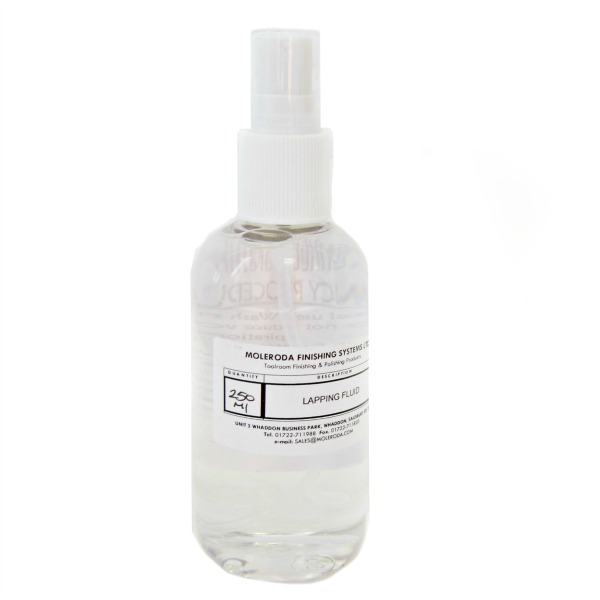
For best polishing performance, Moleroda recommend using lapping fluid alongside diamond compound.
Lapping fluid helps:
-
lubricate the surface
-
prevent the compound drying out
-
reduce scratching
-
improve compound distribution
Using lubrication during polishing also improves the lifespan of both the abrasive compound and polishing tools.
Diamond Polishing & Lapping
Recommended Tools & Polishing Systems
When using diamond compound it is essential that you identify the right tool and compatible consumable for your process.
Lapping:
Rotary Polishing:
With:
Diamond compound can also be used with appropriate tools to hand finish to a mirror-like shine.
![Mounted Wooden Lapping Sticks [600x600]](https://moleroda.com/wp-content/uploads/2021/11/woodenbobsL-2.jpg)