
Wire brushes are commonly used for cleaning, deburring and surface preparation, but they are not always the best option for internal bores, ports, cross-holes and machined cavities. In some internal finishing applications, abrasive nylon can offer a more controlled and consistent contact action.
This guide compares abrasive nylon vs wire brushes for internal bore finishing and explains where RODA Bore fits as a long-reach abrasive nylon system for internal deburring, cleaning and surface refinement.
RODA Bore is well suited to applications where flexible abrasive nylon contact is needed inside holes, bores, ports, tubes, cross-holes and other difficult-to-access internal features.
In summary
Wire brushes can be useful for general cleaning, rust removal, scale removal and more aggressive surface preparation. Abrasive nylon is often better suited where controlled internal contact, surface refinement and consistent finishing action are required.
For broad abrasive nylon internal finishing, RODA Bore provides a reusable long-reach mandrel and replaceable disc system. For specialist precision cross-hole deburring or controlled back-burr removal, a more precise system such as XEBEC may be more appropriate.
Wire Brushes for Internal Finishing
Wire brushes are a familiar finishing tool and can be effective in the right application. They are often used for removing loose contamination, rust, scale, oxidation, surface deposits and heavier surface build-up.
However, internal bores and cross-holes can be more difficult than open surfaces. The working area is often hidden, access may be restricted, and the tool contact can be harder to control. This is where tool choice becomes important.
Wire Brushes Can Be Useful For
General cleaning, rust removal, scale removal, heavier surface preparation and applications where a more aggressive brushing action is acceptable.
Check Carefully For
Bristle shedding, surface marking, access limitations, workpiece material, bore geometry and whether the feature is critical to the component.
Where Wire Brushes Can Fall Short
Wire brushes are not always ideal for internal finishing where the process requires controlled contact, repeatable surface refinement or lower risk of loose wire contamination.
Depending on the application, wire brushes may create several issues:
- Surface marking: wire bristles can scratch or score softer materials if the brush is too aggressive.
- Bristle shedding: wire filaments can break away during use and may be difficult to detect inside bores or cavities.
- Shape change: wire brushes can bend, flare or lose their working profile over time.
- Access limitations: the brush may not contact the target burr or internal surface consistently in deep or awkward features.
- Process variation: changes in pressure, speed, brush condition and operator technique can affect the result.
These issues do not make wire brushes wrong for every job. They simply mean that, for controlled internal bore finishing, abrasive nylon may be a better option.
Why Use Abrasive Nylon for Internal Finishing?
Abrasive nylon tools use abrasive grain held within a flexible nylon structure. As the tool wears, new abrasive is exposed, helping maintain a more consistent cutting and finishing action than a simple non-abrasive brush.
For internal finishing, abrasive nylon is useful because it can provide a controlled blend of deburring, cleaning and surface refinement without the loose wire-filament risk associated with wire brushes.
Controlled Contact
Flexible abrasive nylon can conform to internal features and provide a less aggressive contact than rigid cutting tools or heavy grinding points.
Abrasive Action
Abrasive nylon can clean, refine and lightly deburr surfaces because the abrasive is built into the nylon material.
No Loose Wire Bristles
Abrasive nylon avoids the wire-filament shedding risk associated with traditional wire brushes.
Important:
Abrasive nylon is still an abrasive process.
It can remove material if the grade, pressure, speed or contact time is unsuitable.
Always test on representative parts where tolerances, surface finish or critical geometry matter.
Abrasive Nylon vs Wire Brush Comparison
| Requirement | Wire Brush | Abrasive Nylon |
|---|---|---|
| Rust, scale or heavy surface contamination | Often suitable | May be suitable depending on grade and severity |
| Light internal deburring | Can be too aggressive or inconsistent | Often a better controlled option |
| Internal surface refinement | May scratch or mark softer materials | Provides abrasive cleaning and surface conditioning |
| Loose filament risk | Wire bristles can break away | No loose wire bristles |
| Grade selection | Limited by brush type and wire material | Available in different abrasive grades |
| Deep or restricted-access internal features | Depends on brush format and access | RODA Bore uses long-reach mandrels and replaceable discs |
Where RODA Bore Fits
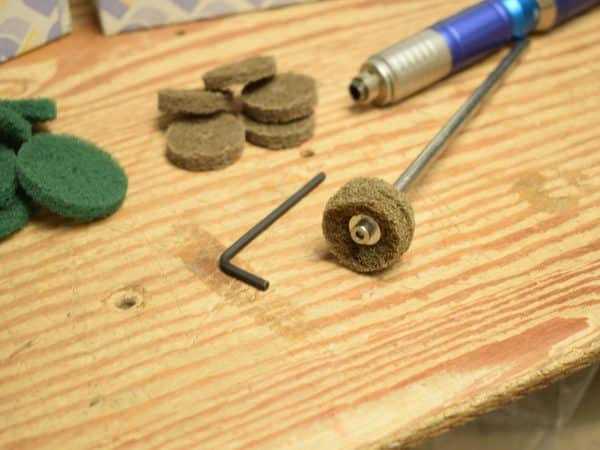
RODA Bore is a long-reach abrasive nylon system for controlled internal deburring, cleaning and surface refinement. It is built around reusable 6mm-shank mandrels and replaceable abrasive nylon refill discs.
RODA Bore is well suited to internal finishing tasks where extended reach and flexible abrasive nylon contact are more important than heavy stock removal. Typical uses include light burr removal, port refinement, bore cleaning, tube finishing and internal surface preparation.

Choose RODA Bore Where…
You need general internal bore cleaning, light deburring, port refinement, tube finishing, internal surface preparation or repeat abrasive nylon finishing work.
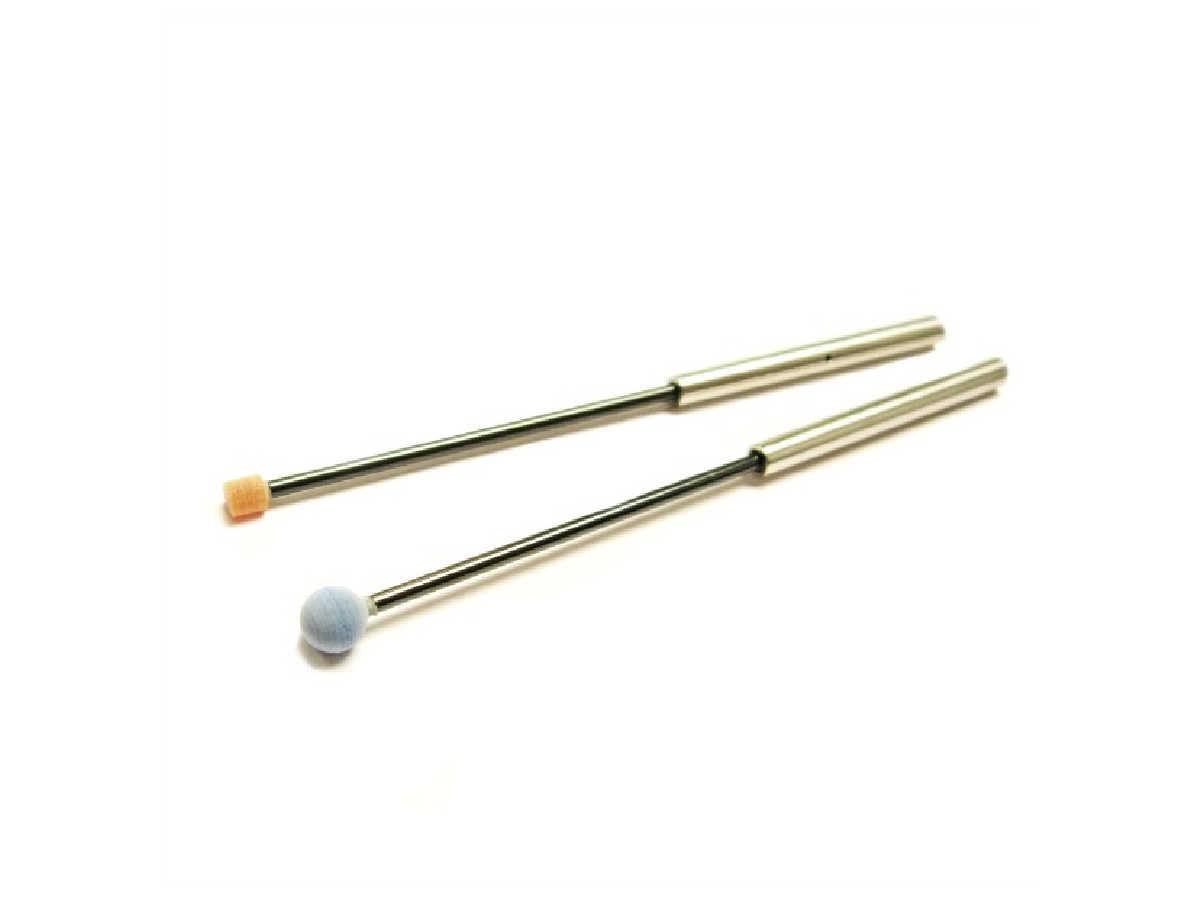
Consider XEBEC Where…
The application requires specialist precision cross-hole deburring, controlled back-burr removal or a more defined ceramic-fibre tool contact point.
Choosing the Right RODA Bore Product
The RODA Bore range is split into three simple purchase routes: Complete Sets, Refill Discs and Replacement Mandrels.
New to RODA Bore?
Choose a RODA Bore Complete Set if you need the reusable long-reach mandrel and starter abrasive nylon discs together.


Abrasive Mops & Wheels
RODA Bore Complete Sets – Long-Reach Abrasive Nylon Hole Deburring Tools
Already Have a Mandrel?
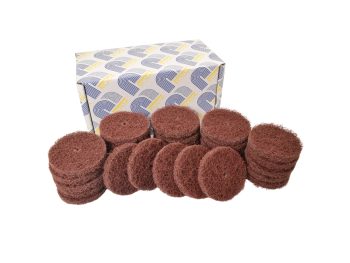
Choose RODA Bore Refill Discs if you already own a compatible mandrel and need replacement abrasive nylon discs in a selected grade, diameter and disc style.
Abrasive Mops & Wheels
RODA Bore Refill Discs – Abrasive Nylon Discs for Hole Deburring
Need a Spare Holder?
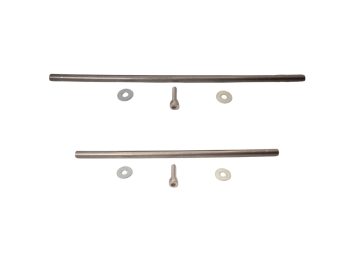
Choose RODA Bore Replacement Mandrels if you need a spare, replacement or alternative reach length. Mandrels are available in 160mm and 200mm lengths.
Related RODA Bore Guides
Need more help before choosing? Start with the complete guide to internal bore deburring, or review common mistakes to avoid when deburring internal bores.
Complete Guide to Internal Bore Deburring
Learn where RODA Bore fits, how the system works and how to choose between sets, refills and mandrels.

Complete Guide to Internal Bore Deburring with RODA Bore
RODA Bore is best suited to internal finishing tasks where extended reach and a flexible [...]
Common Bore Deburring Mistakes
Learn the common mistakes that can lead to over-deburring, poor tool choice and inconsistent internal finishing.

5 Common Mistakes in Bore Deburring – and How RODA Bore Helps Avoid Them
RODA Bore is well suited to internal finishing tasks where extended reach and flexible abrasive [...]
Browse the RODA Bore System
Choose a Complete Set if you are starting from scratch, Refill Discs if you already have the mandrel, or Replacement Mandrels if you need a spare or alternative reach length.
Frequently Asked Questions (FAQs)
Abrasive nylon is often a better option for controlled internal finishing, light deburring and surface refinement. Wire brushes may still be useful for rust, scale and heavier surface contamination, depending on the application.
Wire brushes can scratch, mark or change the surface condition of internal bores if the brush is too aggressive, worn, unsuitable for the material or used with too much pressure. Always test the process on representative parts.
Yes. Abrasive nylon contains abrasive grain and can remove material through cutting or abrasion. The aim is to choose the right grade, speed, pressure and contact time for controlled cleaning, light deburring or surface refinement.
RODA Bore is used for controlled internal deburring, cleaning and surface refinement in bores, holes, ports, cross-holes, tubes and other difficult-to-access internal features.
Choose RODA Bore where you need long-reach abrasive nylon contact for internal bore cleaning, light deburring, port refinement, tube finishing or repeat surface conditioning. A wire brush may be more suitable for some heavier cleaning or scale-removal tasks.
Choose XEBEC where the application requires specialist precision cross-hole deburring, controlled back-burr removal or a more defined ceramic-fibre contact point. Choose RODA Bore for broader abrasive nylon internal cleaning, light deburring and surface refinement.