
Fused Alumina Blast Media
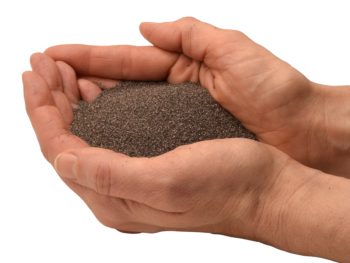
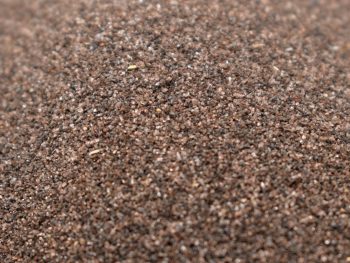
Brown Fused Alumina Blast Media (Aluminium Oxide / Corundum)
£58.32 incl VAT

Shot Blasting Machines
Call us to find out the current price for this product
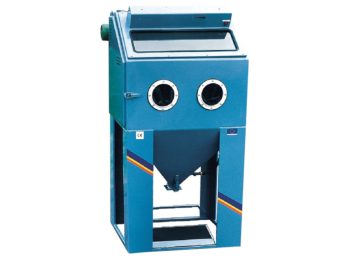

Shot Blasting Machines
Fox Shot & Sand Blasting Cabinets – Bench-Top and Floor-Standing
Call us to find out the current price for this product


Glass Blast Media
£40.00 incl VAT

Glass Blast Media
£25.66 incl VAT

Shot Blasting Machines
JOKE MICROJET Table-Top Micro Blaster – Micro Sandblasting System
£1,906.88 incl VAT


Shot Blasting Machines
Call us to find out the current price for this product
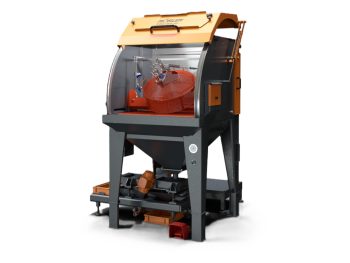
Shot Blasting Machines
Rösler RSKI-S Automated Blast Cabinets – RSKI 1000-S and 1400-S
Call us to find out the current price for this product

Shot Blasting Machines
Call us to find out the current price for this product
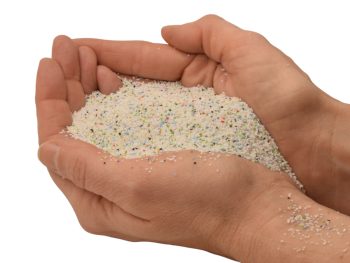
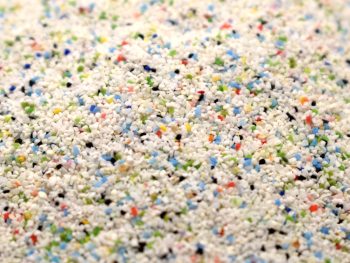
Plastic Blast Media
£98.00 incl VAT


Plastic Blast Media
£150.00 incl VAT
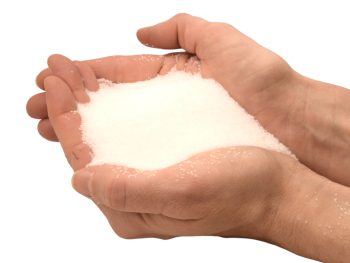
Plastic Blast Media
£197.50 incl VAT
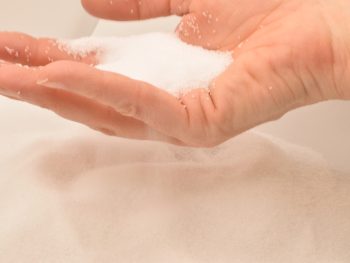
Fused Alumina Blast Media
White Fused Alumina Blast Media (Aluminium Oxide / Corundum)
Price range: £67.99 through £68.00 incl VAT
Start with how many parts you need to blast, how big they are and how much detail they have. Some products appear in more than one category where they genuinely suit both.
| Equipment | Choose It When |
|---|---|
| Shot Blasting Cabinets | You are blasting parts by hand in an enclosed cabinet, from the bench-top Fox 10 for small workshops to the floor-standing Fox 25 and Fox 50. |
| Shot Blasting Machines | You need automated or high-volume blasting, using a R\u{00F6}sler RSKI-S automated blast cabinet for batches and precision parts, a tumble belt for bulk loads, an overhead rail hanger for large or delicate parts, or a wire mesh belt for continuous throughput. |
| Micro Blasters | You are working on fine contours, narrow ribs, slots or precious metal surfaces with a fine nozzle, either with the MICROJET table-top unit or a micro blasting unit added to an existing cabinet. |
| Blast Media | You need glass beads, glass grit, fused alumina or plastic media to suit the material and the finish you want. |
Shot, Sand, Grit or Bead Blasting?
All of these terms describe the same basic process: firing abrasive media at a surface to clean, prepare or finish it. In blast cabinets and micro blasters the media is driven by compressed air, while production machines such as the Rösler tumble belt throw it with high-power turbines.
Sand blasting is the everyday name for cabinet blasting, although silica sand is now rarely used because of the health risks of crystalline silica dust. Grit blasting uses angular media such as white or brown fused alumina or glass grit to cut and profile the surface, for example before painting or coating. Bead blasting uses spherical glass beads to clean and peen without cutting, leaving a smooth or satin finish. Plastic media strips paint and coatings while protecting the surface underneath.
Shot Blasting Guides
Background, buying advice and finishing techniques from the Moleroda team.
Need Help Choosing Shot Blasting Equipment?
Contact Moleroda with the parts you need to blast, the material, the finish you are aiming for and your typical batch sizes, and we will recommend the equipment and media to suit.
Frequently Asked Questions (FAQs)
What is the difference between shot blasting and sand blasting?
Both fire abrasive media at a surface. Sand blasting is the common name for manual cabinet blasting, while shot blasting is often used for production machines that throw media with turbines. Silica sand itself is now rarely used because of the health risks of crystalline silica dust.
What is bead blasting used for?
Bead blasting uses spherical glass beads to clean and peen a surface without cutting it. It removes contaminants and light oxide while keeping dimensions accurate, and leaves a smooth or satin finish.
Which blast media should I use?
Use glass beads for cleaning and satin finishes, glass grit or fused alumina when you need to cut and profile the surface, white fused alumina where iron-free blasting matters, and plastic media for stripping coatings from delicate substrates.
What is a micro blasting unit used for?
Micro blasting units, sometimes called micro sandblasters, use a fine nozzle to work on small contours, narrow ribs, slots and precious metal surfaces. Choose a table-top unit such as the MICROJET, or a unit that fits into an existing larger cabinet.
Can you supply other cabinet sizes or media grades?
Yes. Shot blasting cabinets are available in a range of sizes and configurations, and other grits and sizes of blast media not listed are available on request. Contact us to discuss your requirements.