


Call us to find out the current price for this product
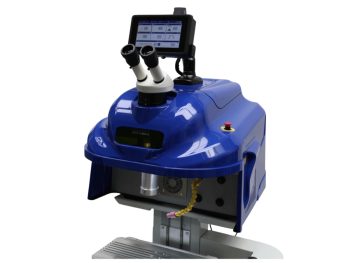
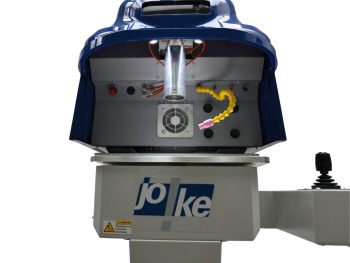
Call us to find out the current price for this product
Choose by the size of the parts you weld and where the work is done: on the bench, in an enclosed workstation, or at a large component.
| System | Format | Laser Output | Choose It When |
|---|---|---|---|
| DaDo 2.0 | Compact benchtop unit, 34 x 34 x 34cm, 15kg | 150 W average, 2.5 kW peak (15 J) | You repair or assemble jewellery, dental work, eyewear or watch parts on the bench, without argon gas. |
| ENESKAlaser 1100 Enclosed | Contained precision workstation | 90 W, 245 J maximum pulse energy | Your components fit within an enclosed working area. |
| ENESKAlaser 1100 Open | Open workstation with access around the weld | 90 W, 245 J maximum pulse energy | You weld irregular or larger components that need external support or positioning. |
| ENESKAlaser 1500 Mobile | Mobile system with a 1,200mm extension arm | 150 W, 200 J, 15 kW peak pulse power | You repair medium or large moulds, tools and components that are difficult to move. |
For the background to laser welding and how to choose a machine, read The Complete Guide to Laser Welding.
What Precision Laser Welding Is Used For
- Jewellery: prongs and claws, jump rings, chains, clasps, resizing and closing porosity in gold, silver, platinum and palladium.
- Dental: orthodontic fixtures, prosthetics, bridges and frameworks, including cobalt chrome.
- Eyewear and watchmaking: titanium and stainless steel frame repairs, and delicate assembly and restoration.
- Mould and tool repair: cavities, edges, corners, worn features and small defects, built up before re-machining or finishing.
- Precision engineering: joining small or delicate components and localised repairs where heat input must be kept to a minimum.
For thicker build-up on tool steel without a laser, compare the Micro Welders.
Filler Wire and Accessories
Many jewellery repairs fuse existing metal without adding material. Where you need to build up an edge or fill a defect, use a laser welding wire matched to the parent material. Microscopes, lighting and other workstation equipment are in Welding Accessories.
Need Help Choosing a Laser Welder?
Contact Moleroda with the materials you weld, the size of the parts and the type of repair or joining, and ask about a demonstration.
Frequently Asked Questions (FAQs)
Which laser welder is best for jewellery?
The DaDo 2.0 is designed for jewellers, dental technicians and eyewear specialists. It is a compact benchtop unit with a 10x microscope that welds gold, silver, platinum, palladium, titanium and steel.
Which laser welder is best for mould and tool repair?
The ENESKAlaser range. The 1100 suits precision components in an enclosed or open workstation, and the 1500 Mobile brings the welding head to medium and large moulds.
Do I need argon gas?
The DaDo 2.0 does not require argon gas, although it is argon compatible. Shielding gas requirements for the ENESKAlaser depend on the material and application and are confirmed during the assessment.
Do I need filler wire?
Not always. Many repairs fuse the existing metal. Where material needs to be added, use a laser welding wire matched to the parent material.
How are laser welders priced?
Both ranges are priced on application. ENESKAlaser systems are configured to the application, with the workholding, extraction and safeguarding agreed after an assessment.
What is the difference between laser and micro TIG welding?
Laser welding uses a focused beam with very low heat input, suited to the finest and most delicate work. Micro TIG and pulse arc welders use an electric arc and are widely used for building up material on tool steel.