
Controlled Deburring for Cross Holes and Internal Edges
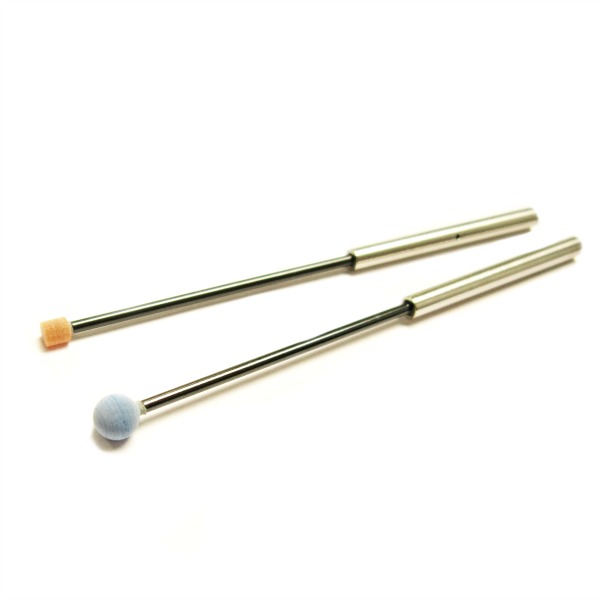
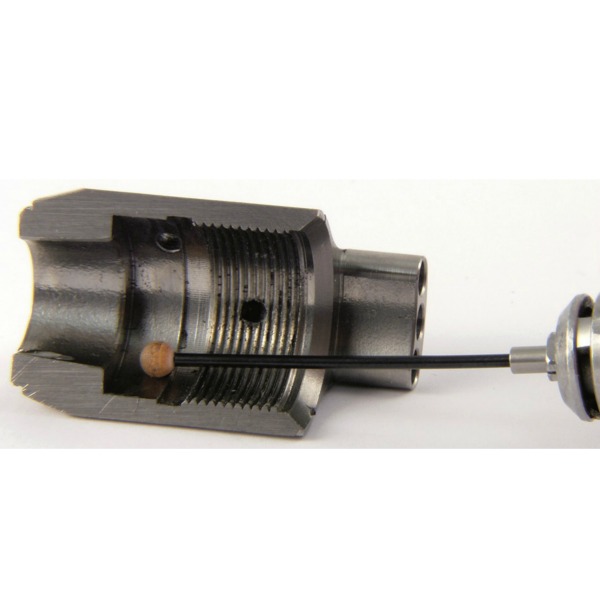
The XEBEC Stone Flexible Shaft is a specialist deburring tool for removing small burrs from cross holes, back edges, internal bores, blind holes and hard-to-reach machined features.
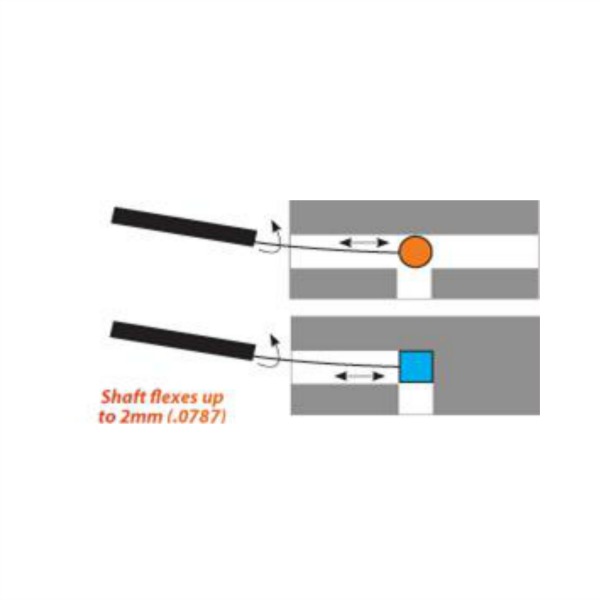
Each tool features a ceramic fibre stone head mounted to a flexible shaft. This allows the stone to make controlled contact with the burr while the shaft absorbs small vibrations and helps the head follow the internal edge. The result is a more forgiving cutting action than a rigid mounted point, especially where preserving the original bore geometry is critical.
These tools are particularly useful for precision engineering applications where conventional abrasive points, rotary burrs or hand deburring tools may be too aggressive or difficult to control.
How the XEBEC Flexible Shaft Works
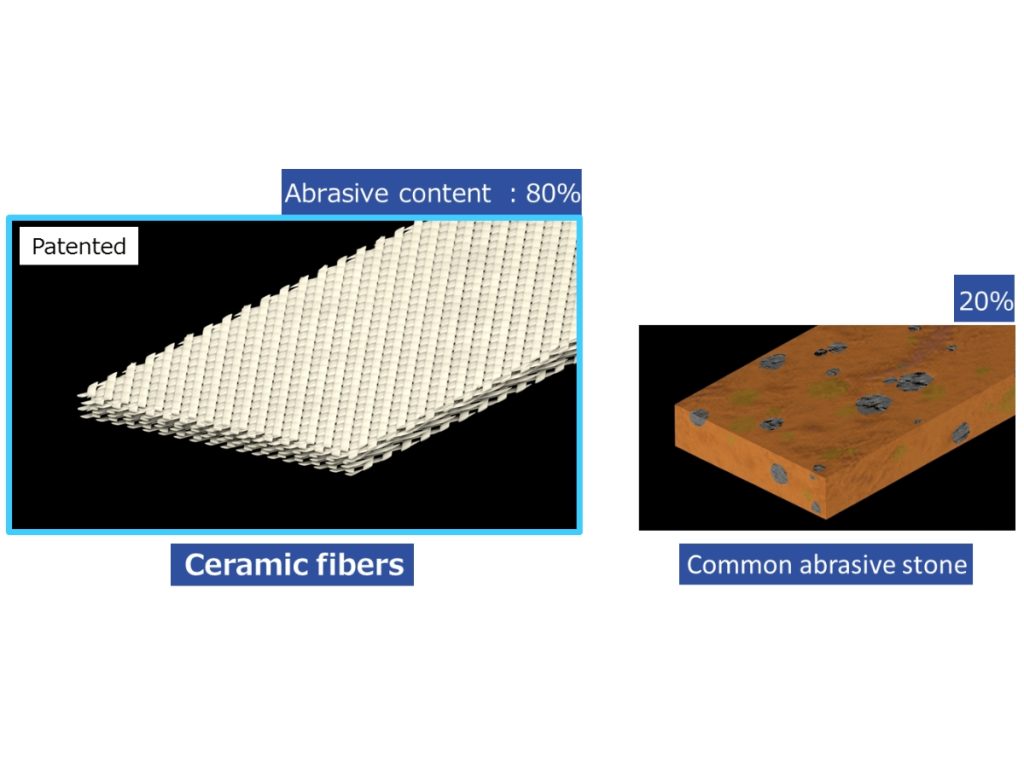
The ceramic fibre stone is designed to cut on all exposed surfaces of the head. As the tool wears, fresh cutting edges are continually exposed, helping maintain a stable cutting action throughout its working life.
The flexible shaft allows a light, elastic contact with the workpiece. This is especially valuable when deburring internal intersections, where the tool needs to reach the burr without gouging the surrounding bore wall.
Unlike a rigid abrasive point, the Flexible Shaft is intended for controlled, light-contact finishing rather than heavy side grinding.
Typical Applications
XEBEC extended deburring tools are commonly used for:
- Cross-hole deburring after drilling
- Back-burr removal inside bores
- Blind hole and dead-end hole deburring
- Internal edge finishing
- Hydraulic and pneumatic components
- Valve bodies and manifolds
- Aerospace pipework and machined components
- Precision CNC-machined parts
- Small internal features where access is limited
They are suitable for use in CNC machining centres, NC lathes, combined lathes, robots, special machines and controlled rotary tools, provided the correct speed, contact pressure and safety precautions are followed.
Application Videos
Choosing the Correct Head Shape
Ball Type
The Ball Type is the best general-purpose choice for cross-hole and back-burr deburring.
The spherical head can contact the burr at an internal intersection while reducing the risk of sharp edge digging or unwanted marking around the hole.
Best for:
- Cross holes and intersecting bores
- Front and back burrs after drilling
- Internal edge contouring
- Applications where a rounded contact point is preferred
Cylinder Type
The Cylinder Type is better suited to blind holes, dead-end bores and internal features where a cylindrical contact area gives better control.
Best for:
- Blind holes
- Dead-end internal bores
- Burrs near the base or side wall of a hole
- Internal grooves, pockets and recesses
How to Select the Right Size
As a general guide, select a head size approximately 25% larger than the cross-hole diameter, while ensuring the stone remains smaller than the main bore diameter.
| Application | Recommended Choice |
|---|---|
| Standard cross-hole burr | Ball Type |
| Back burr inside a bore | Ball Type |
| Blind hole burr | Cylinder Type |
| Groove or internal recess | Ball or Cylinder, depending on contact area |
| Deeper internal feature | Long-reach Ball Type where available |
Correct sizing is important. A head that is too small may not contact the burr effectively, while a head that is too large may jam, overcut or mark the surrounding bore.
Available Grits & Grades
| Grit / Colour | Cutting Action | Best For |
|---|---|---|
| 220 Grit (Grey) |
Most aggressive | General deburring, stronger burrs, harder materials and faster cutting |
| 400 Grit (Orange) | Medium cut / balanced finish | Everyday precision deburring where both cut and finish matter |
| 800 Grit (Blue) |
Fine finishing | Delicate deburring, improved surface finish and minimal material removal |
For general deburring, 220 Grit Grey is usually the most practical starting point. For softer materials or where finish is more important, 400 Grit Orange may be preferred. Use 800 Grit Blue for fine finishing and light burr removal.
Technical Specifications
| Specification | Detail |
|---|---|
| Product type | Ceramic fibre deburring stone on flexible shaft |
| Brand | XEBEC |
| Head shapes | Ball / Cylinder |
| Grits | 220 Grit (Grey) / 400 Grit (Orange) / 800 Grit (Blue) |
| Standard head sizes | 3mm / 4mm / 5mm / 6mm 10mm available in selected Ball Type options |
| Standard overall length | Approx. 70–75mm depending on head type and size |
| Long-reach options | Approx. 150mm overall length in selected variants |
| Shank diameter | 3mm |
| Recommended burr size | Base thickness up to 0.2mm |
| Material hardness guidance | Up to 57 HRC |
| Maximum cutting load | 3.7 ft/lbs / 5Nm |
| Suitable equipment | CNC machining centres, lathes, robots, special machines and controlled rotary tools |
Operating Guidelines
Always check the specific product data before use and do not exceed the maximum rotational speed for the selected tool.
| Head Size | Maximum RPM |
|---|---|
| 3mm | 15,000 RPM |
| 4mm | 13,000 RPM |
| 5mm | 12,000 RPM |
| 6mm | 10,000 RPM |
| 10mm Ball | Check specific tool data before use |
| Long-reach variants | Reduced RPM — check exact variant data before use |
Use light contact pressure and avoid forcing the tool into the workpiece. Stop immediately if vibration, looseness or abnormal tool behaviour is observed.
Do not use at an unreasonable angle, under excessive pressure or in any area with a risk of fire or explosion.
Using with Micro-Motors and Rotary Systems
XEBEC Flexible Shaft tools can be used manually with a suitable controlled rotary or micro-motor system, provided speed and contact pressure can be managed accurately.
For precision hand finishing, use a system that allows controlled entry into the bore and smooth speed adjustment. A foot control can help position the stone inside the feature before engaging the burr, reducing the risk of accidental contact with the entry edge or bore wall.
These tools should not be used like aggressive carbide burrs or heavy grinding points. They are intended for controlled, light-contact deburring.
Safety, Dust Control & Handling
Powder dust may be generated during deburring, grinding or polishing. Use suitable extraction, keep the work area clean and wear appropriate PPE.
Operators should wear:
- Protective goggles
- Suitable gloves
- Dust mask or respiratory protection
- Long sleeves or protective clothing to minimise skin exposure
Before operation, conduct a test run for at least 1 minute. After changing or mounting a new tool, conduct a test run for at least 3 minutes and check for vibration, looseness or abnormal running.
Do not grind, alter or fabricate the shaft.
Discover the ENESKA PostProces system – The ultimate safety unit for polishing and finishing processes
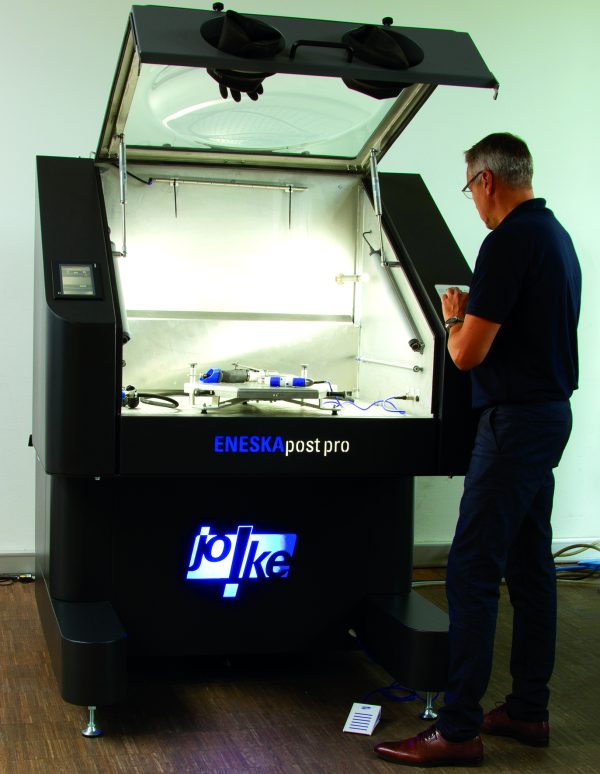

Safety & Lighting
ENESKA Postprocess System | Safe & Efficient 3D Printing Post-Processing
Maintenance & Tool Shaping
If the stone tip becomes worn, it can be reshaped with a suitable diamond disc blade or grinder. This allows the profile to be refreshed or adapted to suit a particular internal feature.
Only reshape the stone head. Do not modify the shaft.
